Zeitakuni ぜいたく煮
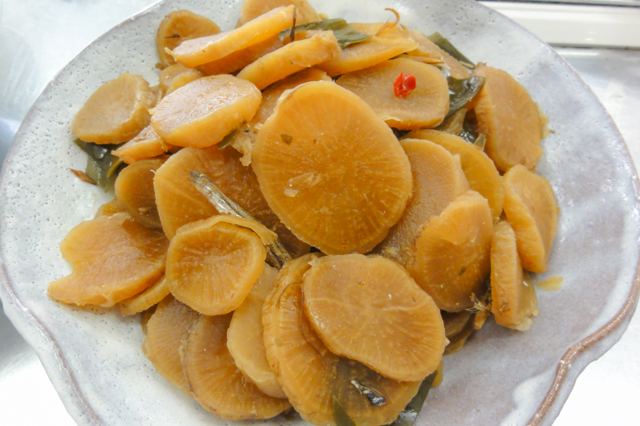
| Prefecture | Shiga (滋賀県) |
|---|---|
| Region | Kinki |
| Japanese name | ぜいたく煮(ぜいたくに) |
| Reading | Zeitakuni |
| Home area | All within the province. |
| Main ingredients | It's a very simple process. |
History and Origins
"Sweet stew" is a local dish that has salted and boiled into a bowl of stew. It's also a dish that can be found all over the province. There are theories that the name comes from the idea that it came from a difficult dish to cook the cucumbers out of the water, and that it came from a luxury that is rich in salt and salt when it is soaked. However, "coast stew" is one of the regular dishes that is essential to Buddhas in the northern part of the lake. Sometimes people say, "I'm sorry." In addition to being generous, we had to keep "Akimatsu's rice paddy" available in any family in case of sudden mourning. And besides "salted stew," "salted stew" was an essential part of Buddhist affairs, and each family always had salting in its home.
When It Is Eaten
In the northern part of the lake, you can eat regularly as a daily diet, besides being eaten mainly by Buddha.
How It Is Eaten
Cut old garlic in water and salt out. Put water and hot pepper into the pan and cook it. If you boil it gently, we'll transfer the garlic separately, add the juice, taste the juice, boil the juice, and boil the juice back. I'll take it off the fire and cool it until it tastes like it's in the oven. Old and salted peppers, which sometimes have a strong salt, are points where you can draw two or three times a day to remove salt.
Recipe — Serves 4
Ingredients
- 1 bean paste
- 2 cups dashi stock
- 1 tbsp soy sauce
- 2 tbsp mirin
- a pinch salt
Method
- I cut the worn - out garlic into 5 mm thick, dip it in water, and do it with salt. If you have a strong salt, we'll water you two times.
- Put water and pepper in the pot and cook until it is soft.
- Put the garlic in another pot, add gravy, citrus, citrus, and salt, boil it and boil it for 15 minutes. Keep the fire burning until it cools down and let the taste in.
More About Zeitakuni
The stew of the hot sauce is a Japanese dish that has been cooked with a lot of salt. Here I'll round up similar native dishes from all over Japan, centered around the northeast of the Kinki region and around the Northland region.
Overview
The food that came from the master who cooks well without wasting the old garlic that has long been soaked in and has become hard-boiled. A dish often made from summer to early autumn (in early November) that is worn out from the previous year, but it can be made at any time with a product that is not old at present. In Kagawa Prefecture, they are known to the extent that they are marketed.
The cooking methods and flavors vary in different parts of the country and from home to home, but the basic ingredients are to boil the salted garlic with soups, oil, and so forth. Toyama Prefecture XYZ Ishikawa Prefecture Integrations can add alcohol. In Toyama Prefecture, we boil water without using water. In the northern part of Lake Shiga Prefecture, as well as the salted eggplants can be made into stew.
It's eaten in warm and cold conditions. It's also an essential for Buddhist affairs in the northern part of the Shiga Prefecture region. In some areas, not only is it tasteable at home, but it is also served in local restaurants, and is also marketed at grocery stores, supermarkets, and roadside station.
Call
Depending on the local and family, there are various calls, and the name of the article "Salvation of the Hot" is convenient for neutrality.
It's delicious, but it's delicious. It's delicious. It's because of the elaborate dish prepared. It's silly to eat a bowl of salt without eating it. Gifu PrefectureZXZZXZZXZZXZZXZZXZZZZZX XZZZZX XZZ X X X X X X X X X X X X X X X X X X X X X X X X Kagawa Prefecture
Other
[In a strange, foul, smelly food with which the cooking stew of his father, Sakura, was his favorite in Toyama Prefecture]]
Text adapted and translated from the Japanese Wikipedia article たくあんの煮物 by its contributors, licensed CC BY-SA 4.0.
Dish data: Ministry of Agriculture, Forestry and Fisheries (MAFF), “Uchi no Kyodo Ryori” (Our Regional Cuisines) database, used under the Public Data License (PDL1.0); translated and adapted from the Japanese original.