Saitamanōdon 埼玉のうどん
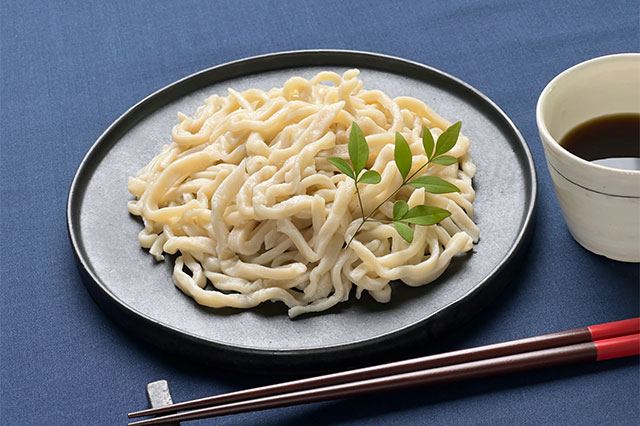
| Prefecture | Saitama (埼玉県) |
|---|---|
| Region | Kanto |
| Japanese name | 埼玉のうどん(さいたまのうどん) |
| Reading | Saitamanōdon |
| Home area | All within the province. |
| Main ingredients | Cypriot |
History and Origins
(Female production is second highest in the country in 21 years, the Ministry of Agriculture, Forestry and Fisheries "A Statistics Year") and is still the main wheat - producing county, although it is now being reduced to the past. In the past, in Saitama Prefecture, wheat was grown extensively as a lining for ricemaking. So the wheat is the center of the diet, and it is characteristic of the growth of a variety of varieties in each region. For example, in the northeast of the country, hand-to-hand oaks are hard - throated, and in the west, the brown - colored rice that is served in the West is characterized by a very strong brown color, and in the region along the central river. If you combine old-fashioned native food and B-class gurgles together, the number of them will amount to more than 20 different kinds. At present, to express discrimination and identity with other areas, there are often words that describe local names and properties, but at one time it was almost always called "snack" in every region.
When It Is Eaten
Not to mention the daily diet of farmers who grow wheat, they've been eaten in various situations, including the Cemetery and annual celebrations.
How It Is Eaten
Add salt and water to the flour, and carefully paste it to make it as hard as ears. After the fabric is laid, it is stretched out with a noodle stick and adjusts the thickness and width according to the type of rice. Keep boiling in boiling water until the noodles are clear and have each bowl. There's some rice that's boiled with vegetables and other ingredients.
Recipe — Serves 5
Ingredients
- 500 g wheat flour
- 10 g salt
- 200 ml water
- dusting flour, to taste
- Mix: 500 ml soy sauce
- Mix: 90 ml mirin
- Mix: 90 g sugar
- 2 L dashi stock
Method
- The soy sauce is soy sauce and the soup is combined. The ratio of the ratio of the ratio of the ratio of the ratio of the ratio of the ratio of the ratio of the ratio of the ratio of the ratio of the ratio of the ratio of the ratio of the ratio of the ratio of the ratio of the ratio of the ratio of the ratio of the ratio of the ratio of the ratio of the ratio of the ratio of the ratio of the ratio of the number of two to the number of the number of hours to the number of hours. To make sure that sugar is not boiled together in a pot, put it in a fire, cook it, put it down, add the soy sauce. Then add a cloth to the water and put it in a medium fire and take it out before boiling. Put in a bar and burn it in the middle of the fire, two minutes after it's done, then put it out of the fire and put it in a monkey.
- The dust and water are gently joined together by putting the baked flour in a bowl, adding salt water, and then lifting the flour slowly. We'll continue to lift the powder from the bottom with a slow drop.
- If the hardness of the ears becomes hard, you can put on weight, apply pressure, press the fabric, place it in a plastic bag, put it in a plastic bag for about two hours at normal temperature.
- I will extend it to the thickness of three-millimeter thickness by using a noodle stick on a plate. Use enough powder this time.
- When it is flat, the fabric will be ground into pieces, and with a knife cut three-millimeter wide and cut into a slice of noodles, and then the powder will be removed well.
- Put the noodles loose in the boiling water, and in eight minutes, when the noodles are ready to boil, remove them from the water and immediately wash them.
Dish data: Ministry of Agriculture, Forestry and Fisheries (MAFF), “Uchi no Kyodo Ryori” (Our Regional Cuisines) database, used under the Public Data License (PDL1.0); translated and adapted from the Japanese original.