33 4 いがまんじゅう
| Prefecture | Saitama (埼玉県) |
|---|---|
| Region | Kanto |
| Japanese name | いがまんじゅう |
| Home area | I'm going to show you some of the things that I've learned. |
| Main ingredients | It's all over the place. |
History and Origins
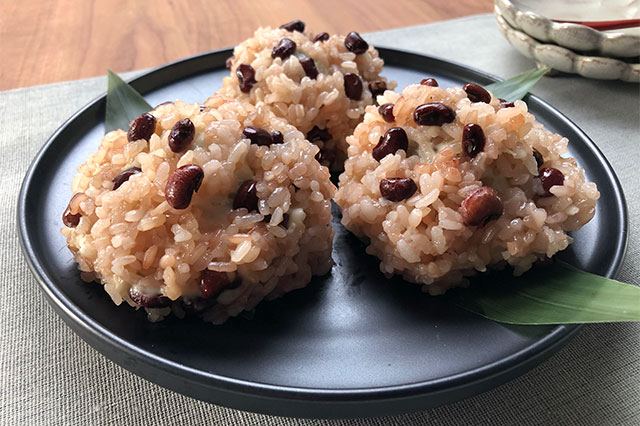
In areas where many farmers have grown wheat as a background, the longer the word "sun-sun-sun-sun" grew, the more flour dishes were grown, such as rice pads. The whole bowl of red and steamed rice, with its sweet taste and a good sense of food, is unexpectedly attracted to the food, and once eaten, it gets a crinkling. It seems as if you have red food covered over the carpet, because you look like a man of the sea. There are stories about the origin of the rice, such as: "The rice was expensive and put the carpet in the red food to make it more comfortable." "The farmer's wife put the rice in the pan together, and then boiled it together."
When It Is Eaten
It has been made and eaten at home as a product of spring, summer, fall festivals and celebrations. Now, not to mention Hale's day, but the flavor of the native land is the custom of the community.
How It Is Eaten
I'll cover this country carpet with red food and steam it up. Some things simply put red food on the carpet, others cover the whole, others are made to put seams on the top of the red food, and some of the shops vary in shape from place to place.
Recipe
Ingredients
- 2 × 180 ml(310 g) glutinous rice
- 30 g offering
- Bean paste: 30 作りやすい分量=
- 300 g azuki beans
- 225 g sugar
- a pinch salt
- Mix: 40 g 一枚あたりの分量=
- 200 g wheat flour
- 80 g sugar
- 7 g baking powder
- 45 ml milk
- 45 ml water
Method
- I'll make a little bean-o-o-o. Wash the beans and cook them in a good amount of water.
- When you boil, I'll put in about 200 cc of water.
- If you boil again, throw the water away.
- Put a new bottle of water in and cook until it's soft. (A little over one hour).
- The sugar is divided into two pieces and the salt is added to the end. Then, looking at the pot to prevent it from burning, boil it until the water runs out.
- If you draw a straight line at the bottom of the pot and you draw a line at the bottom of the pot, it'll work out.
- I'll move to the bat and then I'll roll it up and make a pot when it gets cold.
- I'll make the carpet. Put your offering into the boiling water and cook it in the middle for about ten minutes. After that, I'll take it off the fire, put it up on the monkey, put it in a separate container and cool it. If it's cold, I can soak rice in the soup overnight. With a monkey, we drain the water and water the rice together for about 30 minutes. You may use your dedicated rice and rice with the amount of water you have available and the "Singing Mode" of your rice cooker.
- I'll round up the bean apricots to 30 grams.
- I often mix flour with baking powder and shake it three times. Add the sugar sugar on the mill and the foam and use the tool to melt well with milk and water. The leather dough is mixed slowly so it doesn't spoil. The leather will be cut into 30 grams. I'll peel the skin and wrap it up.
- I'll spread the red rice on a steamer, put three on top of it, and then put the red rice on top of it and steam it for about 15 minutes.
- Get rid of the fire and remove the extra red food and shape it.
More About 33 4
The head is the Japanese candy from northern Saitama Prefecture. It is characterized by red rice spread around the head and was chosen for native cooking, the the Ministry of Agriculture, Forestry and Fisheries host.
Overview
But the head of the town is the Japanese sweets sold in and from the candy stores, such as Tokyo, Haneshima, and Rashi. It's supposed to be the cradle of the river.
It is said that the red rice was named because it was wrapped around the head of the flower and looked like a moth. The origin of the form is that "a farmer's wife was told to cook her head from the bush, from her mother - in - law, to cook her red food, and to save her money, where the head and red food were combined."
This head was originally made not for commercial purposes by the candy store but for gifts in a rural northern part of the country for the summer Hale day and so forth. Since the 1990's, the opportunity to make yourself a farmer has been reduced, but it has been sold and fixed as a rare piece of land, such as improving the process by a cakemaker.
Processing
You can make a head with a walnut in first, and you can water it to some degree. If you put a red rice in there and then water it for another 20 to 30 minutes, you'll be well-soured. There are cases where red rice is alternated with squabbles, and there are cases where red rice is evaporated first.
They also have a recipe for homemade goods: "Squish the head in red and boil it together." But the candy store's got a recipe for "squish the head separately" from commercial circumstances that wrap and sell it separately.
Local custom
However, there are some differences in the celebration of the head-to-head being behaved up in each area.
In Old Tari village, it was made by itself and distributed to relatives on the day of Nada's return. According to the Sixth Book of Village History Report, during the wheat harvest season and based on the old calendar, during the summer season, people were grateful to God for the safety of the harvest. In the Old West and in the Whitekaoka area of the Tokyo area, it was made with her on the seventh and final evening festival of July 7. In the city of Kaji, red rice was made with the Japanese national headdress on July 28 at the festival of the Akira Miyagi. In the Nakakawa District, the King of Heaven on July 7th, not to mention the wild, was built on the day of the week of the week of July 31st, and was behaved by relatives and acquaintances along with his relatives. In old Tokuta, it was customary to make a carpet of new wheat from new wheat during summertime, during the winter, the Heavenly King, and seven, fifteen, thirteen nights, and so on. But there were cases of making a carpet.
Text adapted and translated from the Japanese Wikipedia article いがまんじゅう by its contributors, licensed CC BY-SA 4.0.
Dish data: Ministry of Agriculture, Forestry and Fisheries (MAFF), “Uchi no Kyodo Ryori” (Our Regional Cuisines) database, used under the Public Data License (PDL1.0); translated and adapted from the Japanese original.