33 9 ねぎぬた
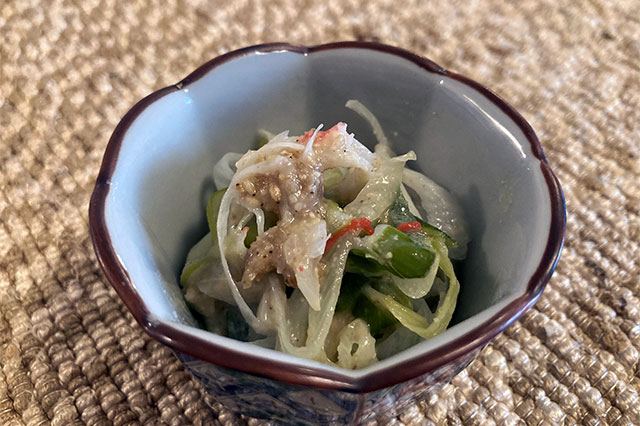
| Prefecture | Saitama (埼玉県) |
|---|---|
| Region | Kanto |
| Japanese name | ねぎぬた |
| Home area | Deepatown, all within the county. |
| Main ingredients | Soy. |
History and Origins
Saitama Prefecture produces the second largest onion in the country, with a total of 50,600 tons of the Ministry of Agriculture, Forestry and Fisheries. In the southeast of the state of Taniji, Yoshigawa, and Miyo, there are resorts where summers are grown, and in the northern east of the state, in the valley city, the winters are grown, and especially in the "deep valley" are branded. In Deepaji City, it is used in such dishes as boiling and squabble, and chewing of rice, as well as onion, which can taste the flavor of the onions itself. Especially is it essential to the "singing" of the Haji City local dish. Of all the dishes with onions, the essential part of the celebration is "sniff." In particular, winter onions have a food that is so sweet that they can be eaten well, and they are very delicious with the flavor of vinegar, and the taste of them is excellent. In the celebration, when I was presented to the audience, it was a signal that it would be over soon.
When It Is Eaten
"Sweeting" is a household dish that is eaten daily, and is a celebration dish, such as wedding. It's often presented as a tight-knit dish. In the city of Haji, there is an event in Hajidani that sets November 23 as "The Day of the Deep" and presents the flowers to the person who has taken care of them.
How It Is Eaten
After cutting the deep valley to about three centimeters long, and boiling it gently, I'll have to take it up and cool it. I'll roast the rice in a fried bread and cook it in a stew. It's called a smudge, sugar, taste buds, vinegar, and a thick narrowing of the water. Even if you add squid and onions, it's delicious.
Recipe — Serves 4
Ingredients
- 3(360 g) green onion
- 30 g kamaboko (fish cake) (市販のかまぼこやかにかまぼこでも可)
- Seasonings: 20 g white sesame seeds (すりごまでも可)
- Seasonings: 20 g white miso
- Seasonings: 2/3 tbsp vinegar
- Seasonings: 1 tbsp sugar
- Seasonings: 0.7 g Japanese mustard (粉)
Method
- I'll cut the bow on a diagonally thin piece.
- In this case, we will cut it finely, in this case, in this case.
- I'll do the alabaster. (Singing as if it were a rag)
- I'll mix the flavors and mix them together and put them on the low fire. When the sugar melts, we will heat it and add vinegar.
- Let's water the chicken.
- If you give up on me, I'll be with you.
More About 33 9
Sakura
It's a sort of Kochi Prefecture tradition tip. A piece of leaves is carved into a paste and mixed well with white pepper, vinegar, sugar and so on. It's often used when eating a burly knife. I'm sorry, I'm sorry. In modern times, they usually say a dish that has a vinegar flavor. It's the main term, and it's the summary. That's an alias.
It's a kind of citrus, and it's usually mixed with a combination of vinegar and taste. One of Japanese traditional and native dishes.
Overview
Sea algae, such as onions, peas, tuna, squid, blue-seeded animals, and other sea algae, which are cooked with vinegar, soy sauce.
Origins
This name came from the thought of Numada by the apparent appearance of its tastey face. A kind of sauce for cooking such things as "Namata" in a 1603-year-old daily dictionary. (or vinegar citrus caeche). ¶nutanamasuzu ¶ "" and it was established as cooking by the end of the room town.
Use Methods
The ingredients that are served are made from the basic flavors of sweets and colors, from the point of taste and color, by a high amount of white peppers used to make them mixed with vinegar, sugar, and mustard.
As mentioned above, in plants, materials are used in a lot of ways as standard ingredients. In addition to onions, there are a lot of plants that have been added to the flavor of the citrus, nilla, garlic, or wildflower novels, gygmy garlic and other sulfuric acidic antlers.
On the other hand, in fish and fish, oysters are preferred and often used for raw materials such as blue-sniffed clams, oysters and fish.
However, your raw sauce is rich and most of the food is fresh and delicious. To put it simply, vegetables are delicious when they are eaten by rice, when they are eaten by fish and fish. The firefish is boiled, and it often has vinegar when you eat it, but it's OK if you want it.
Text adapted and translated from the Japanese Wikipedia article ぬた by its contributors, licensed CC BY-SA 4.0.
Dish data: Ministry of Agriculture, Forestry and Fisheries (MAFF), “Uchi no Kyodo Ryori” (Our Regional Cuisines) database, used under the Public Data License (PDL1.0); translated and adapted from the Japanese original.