Home / Tokyo / Fukagawameshifukagawadon
Fukagawameshifukagawadon 深川めし
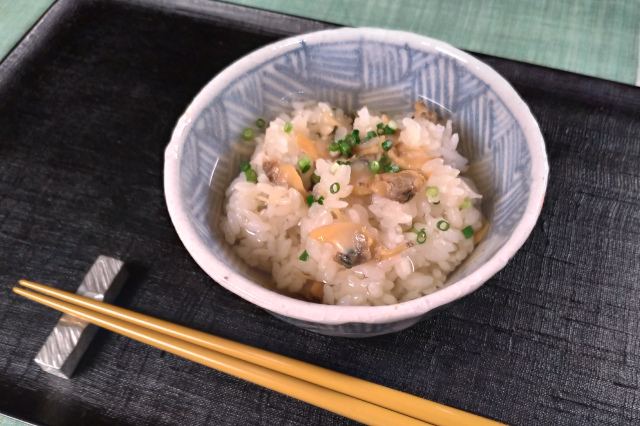
| Prefecture | Tokyo (東京都) |
|---|---|
| Region | Kanto |
| Japanese name | 深川めし/深川丼(ふかがわめし/ふかがわどん) |
| Reading | Fukagawameshifukagawadon |
| Home area | Eto |
| Main ingredients | We're going to have to do something about it. |
History and Origins
It is said that the "Aragawa'smere" was originally made of onions and raw aurari with a tastey sauce and served with soup. Now there are two types of "Akigawa" and "Change": There's also "Aragawa Cauldron" that doesn't eat dinner. In the Edo era, the present Tokyo bay was a rich reservoir of flats and shells. Part of the Great River that flows south of Saga, Nagato, and Saga, was called Deep River, and it was famous as a fishing town where sandbars were spread out and abundant in arisi, clams and ao goats. Until the early part of the Shoichi, there were many tables selling the deep river in shallow grass, whose names were known and eaten even in the homes. Also, since Edo, which was called "you" and sold only your body from the shell, the soup that you used was born with, and cooked and cooked to eat it hot, was also prepared as a way to eat Edo. In the process of water pollution and burial, he gave up his fishing rights in the mid-30s, losing his fishing grounds around the Deep River, but there are three types of swamps where oysters can be caught. In Haugawa, tourists from Tokushima Memorial and the Edo Museum opened, and the restaurant once loved them again brought deep rivers back to this land. The fresh raw apricots, the roughly carved onions, are the traditional food of modern Edo, which is still in use today, where these extracts are spread over rice and the flavor is almost endless.
When It Is Eaten
Although it used to be the taste of the common people, it is now common to eat in a restaurant.
How It Is Eaten
I'm going to raise the rice that I've caught. I'm going to water it. I'll put them in the sauce and boil them down to the sauce. Cooking rice with a mixture of soup, salt, and water, and then add the ingredients to the rice when it is cooked, and mix well.
Recipe — Serves 1
Ingredients
- 100 g asari clams
- green onion (粗く刻む), to taste
- 50 g miso
- squeeze, to taste
- 1 cooked rice
Method
- I'll melt the taste in the boiling water, put the aurari in, and cook it.
- I'll add onions and make them boil easily.
- I'll cook the dishes on the vessels and pour the juice on them.
- I finished with a cut-down seaweed.
More About Fukagawameshifukagawadon
Amateurs are made from soup made from such vegetables as ari, clams, ao goats and other vegetables as oysters and onions, or cooked on rice or cooked in a dish. It's sometimes called Hagawa's rice.
Overview
This is called because the Deep River of Tokyo is a representative of the popular cooking method in shells. Many of the deep-water cinders that began to grow from 2000 onwards have been indentured types.
The JR East Sea, the Pacific, is also the hot-boxed type that has been released as a station. You can buy it at Tokyo Station, Taegawa Station, New Yokohama Station and the Substiture Station on To To To Toshishiki Line. Even the Japanese giant station valve sold at a train station store in JR Japan was a type of clunker, but in 2013 it was re-new to type type type. The original station has an abscess on it, and the latter one contains a boiler in it, but unlike the oysters, none of these are essential components of the deep river.
History
It was at the time of Medo-Yung that I began using Asari.
In Akira's "Darkest Tokyo" (Iseshima City, Japan 26), he said to the subject, "It's a deep-water rice that boils on you as an idiot. It's an instant meal that will be served in a bowl and on top of a table when guests arrive. It's been introduced as "a single drink which is as easy to eat as it is to a person who is a stranger, but in this society it's the easiest to drink in winter, and it's very popular." And he says that it wasn't at the middle class table at that time, and it was a low class meal.
Text adapted and translated from the Japanese Wikipedia article 深川めし by its contributors, licensed CC BY-SA 4.0.
Dish data: Ministry of Agriculture, Forestry and Fisheries (MAFF), “Uchi no Kyodo Ryori” (Our Regional Cuisines) database, used under the Public Data License (PDL1.0); translated and adapted from the Japanese original.