Keichan 鶏ちゃん
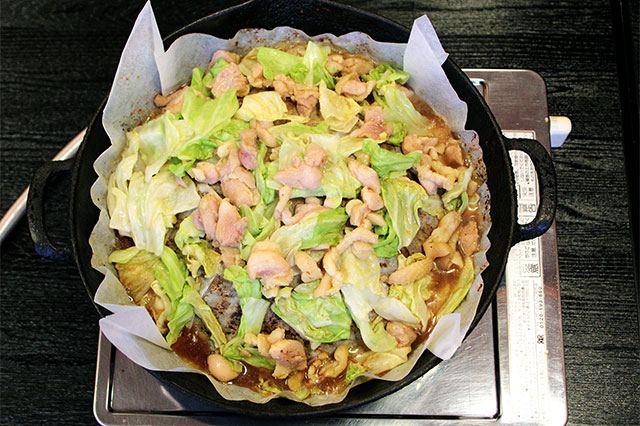
| Prefecture | Gifu (岐阜県) |
|---|---|
| Region | Chubu |
| Japanese name | 鶏ちゃん(けいちゃん) |
| Reading | Keichan |
| Home area | I'm not sure if I'm going to be able to do that. |
| Main ingredients | It's like chicken, cabbage, onions, onions. |
History and Origins
There are different flavors in different areas and families, but the chicken-sucked chicken with a special meat and vegetables is fried. It is said that birth was about 1950 and that it began with the dingiscan, which was eaten in part of Gifu Prefecture. Then, around 1960, local butchers and liquor stores improved their own, and there were local and colorful chickens. When he was told that he started eating as a valuable protein source after the chickens he had had in each home stopped laying eggs, he was able to enjoy a special day's food. There are theories that have come from calling the pig's hormone cook "tonchan pig" and from the combination of the word "chinji" and "chinji" to "chinji" to "chinji" to match.
When It Is Eaten
When chicken was a valuable food, it was a special day dish, such as when you had important customers and your relatives gathered in a tray or a new month. Now, you can enjoy it all year round in your home and in many restaurants as a local food made from available foods and flavors.
How It Is Eaten
Chickens and cabbages and seasoned vegetables are specially prepared for eating, and they are cooked in iron and ginscan bowls. There are different flavors for flavoring and making, such as flavoring, broth, salt, and so forth, in the community, in the home, and in the shop, and there are different ways to make them, and it is also the charm of chicken to enjoy the flavor of each consecration.
Recipe — Serves 4
Ingredients
- 200 g 鶏胸肉 (一口)
- 32 g miso
- 6 g sake
- 8 g light soy sauce
- 6 g garlic
- 200 g cabbage
- 40 g carrot
- 20 g bell pepper
- 6 g oil
Method
- The garlic will be poured down.
- I'm going to put a "mixed-up, wine, thin-mouthed-snap bowl" in a chicken and taste it down.
- The cabbage will be cut, the carrots will be cut short, and the Peiman will be cut fine.
- Hot oil in the pan, roast chicken in the undergarments, and then add cabbage, carrots and pepper.
More About Keichan
A chicken is a native dish eaten in northern Nakanashigawa, next to lower city, in the northern part of Gifu Prefecture. "Kay-chan" and "Cow-ki-chan."
Overview
Originally, it is household food in northern Nakanashigawa, in the county of Hikoku. It's been eaten since about 1950 and is said to have been modified by local butchers and liquor stores since 1960.
Chickens are defined as "a chicken dish cut into small pieces and seasoned with tassels," and they are made by baking chicken with soy sauce and garlic and raw pepper on top of chicken meat. The parts of the tata and chicken are different from the parts of the house, the shop, and the manufacturer, and there are some uses and combinations of chicken and chicken, and they also call leather the mixture of chicken and chicken.
In October of 2007, the Association of the Chickens was formed to expand the diet by means of the fame and taste and quality of chicken.
The Birth
After the war, it is said that chickenes began eating chicken chicken eggs in the lowlands and county countryside when they stopped laying eggs. Back then, when meat was scarce, chicken was a precious dish, and when there were bons, New Year's, family groups, visitors, and so forth, she was behaved on special occasions.
In order to make good use of the eggs that come out of a few eggs every day in the mid-30s, in the late '30s, when large chickens began to grow on the bottom and count, the sale of chicken meats, which were also sold in restaurants and meat shops, was also the origin of the chicken that was made from the chicken that was made from the bride's request. At the same time, with the increase in work and drinking places associated with the restoration of Iseshima Winds and the expansion of the public construction of the Great Dam, it was spreading as a menu for the restaurant.
Back when chicken-chins were developed, the local market menus that were common in the county were used in the lower part of the country. The county's already out of use.
In the county, especially in the north, in the meat shop, which has increased for workers, including your mother's dress dam, hormones have been served. They have used chicken as well as cow and pig meat. In this case, there are many testimony that Korean workers have received taste advice from Korean workers in seasoning.
There is a history of the Akira district on the county, where after the war, it encouraged sheep raising and sold as a jing. After the decline of sheep raising in the mid-30s, as the chickens spread, it began to season the birds and eat them like the Singaporeese.
The relevant organization.
The niece's chicken study.
In 2007, the Yoichi Chicken Research Institute began to appear in the county treasure district. I'm working on various activities to make the community healthy through food, and I'm trying to keep the young people coming back to the city with their treasure. In September 2010, I was invited to attend the first B-1 Glumuli show in the 5th B-1. In 2012, the Stock Company Treasurer was founded by a company that helped to produce a chicken chicken.
Chicken country.
It is similar to the chicken culture of Gifu Prefecture, that states of the United States share national sovereignty despite having advanced national rights such as independent states. In addition, since the early days of the Japanese '30 ' s, they have consistently been developing chicken culture, and since then they have continued to sell chickens and chickens, since then they have continued to be "a nation treasure" and have been selling them since the 50th year of their history.
Text adapted and translated from the Japanese Wikipedia article 鶏ちゃん by its contributors, licensed CC BY-SA 4.0.
Dish data: Ministry of Agriculture, Forestry and Fisheries (MAFF), “Uchi no Kyodo Ryori” (Our Regional Cuisines) database, used under the Public Data License (PDL1.0); translated and adapted from the Japanese original.