Home / Hiroshima / Kurenonikujaga
Kurenonikujaga 呉の肉じゃが
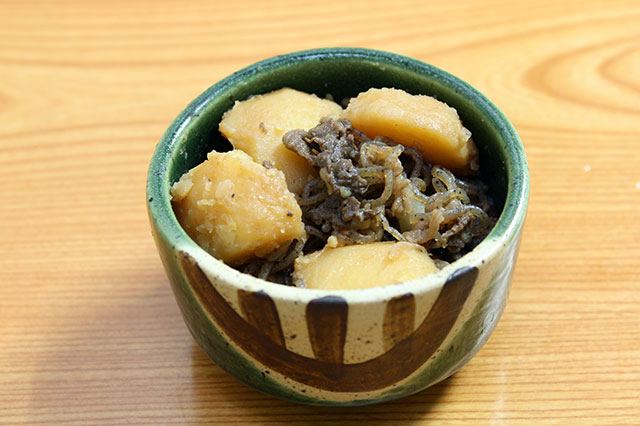
| Prefecture | Hiroshima (広島県) |
|---|---|
| Region | Chugoku |
| Japanese name | 呉の肉じゃが(くれのにくじゃが) |
| Reading | Kurenonikujaga |
| Home area | Wu City |
| Main ingredients | I'm going to have to make some of these. |
History and Origins
Speaking of meat in general, it's a stew made from soy sauce, which tastes different materials from potatoes, beef, onions, carrots, silk and so forth, by families, but "The meat of the orange" is made with macarines, and is made with meat, string, and certain ingredients. There is the theory that meat - based roots were produced by trying to put a bowl of soy sauce instead of the red wine the cook was then so valuable. The recipe was listed in the Navy kitchen management textbook of the day. Then, in the 40s, by being introduced in a women's magazine by the name "Creed meat," it was introduced as domestic food. Since Yoichi Yoichiro was in charge of Meehiro in 23 years, in the year of his birth, "I am a native of the land of the meat," the formation of the "Ambasing of the Loki" was in the year 1997. The meat closest to the making of the "Syen Cooking and Management Book" began its campaign as "The meat of Wu."
When It Is Eaten
During the war, it was served as a naval dish. Now it's made in general as home cooking and is eaten at every opportunity or season.
How It Is Eaten
Cut the onions to size easily eaten potatoes, beef, thread, and onions. Cook beef, sugar, soy sauce, potatoes, threaded garlic and cooked. I'll boil them in moderation by putting the onions in the last place.
Recipe — Serves 4
Ingredients
- 160 g beef
- 6 potato
- 1 onion
- 240 g konnyaku noodles
- Seasonings: 4 tbsp sugar
- Seasonings: 4 tbsp sake
- Seasonings: 150 ml soy sauce
- 21/2 cups water
- oil, to taste
Method
- The potatoes are peeled and cut into a small bite. The onions are cut into strips, threaded, and beef size is cut easily.
- I heat oil in the pot and roast beef, onions and potatoes.
- Add water and cook.
- Add threaded thread.
- Add all the citrus sauce and add the flavor to the sauce.
Dish data: Ministry of Agriculture, Forestry and Fisheries (MAFF), “Uchi no Kyodo Ryori” (Our Regional Cuisines) database, used under the Public Data License (PDL1.0); translated and adapted from the Japanese original.