Home / Yamaguchi / Kashiwa mochi
Kashiwa mochi 柏餅
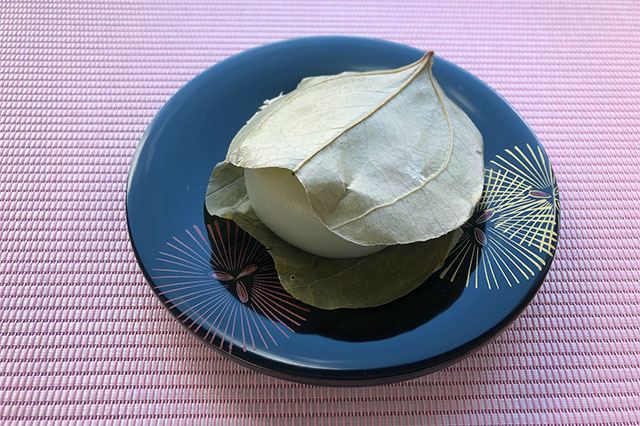
| Prefecture | Yamaguchi (山口県) |
|---|---|
| Region | Chugoku |
| Japanese name | 柏餅(かしわもち) |
| Reading | Kashiwamochi |
| Home area | Districts |
| Main ingredients | It's a little bit of a trick. |
History and Origins
In modern times, the phrase "departive" on May 5 celebrated as "west day." There are various kinds of sweets and foods, such as walnuts, cicadas, and cicadas, and so on, and so forth, depending on the area. Among the most nationally eaten, the "Custories" is a celebration made of broth and white pepper made of black and white pepper, with tadpole and taste buds. It is said that the leaves of Sartriybara, a tree with a verdant verdant vernal family, have been used since the time of Edo, since they didn't fall out until early summer. Yamaguchi Prefecture is known as one of the local dishes, and there are many aliases for "grassy" and "grassy" and "sniff." In addition to the last paragraph, they used to be made and eaten by each family, as well as in the rice and rice paddies. Especially is it said that the rice planted by hand was a hard work and that the eating of "Sai" was a pleasure. They say that when they made the "Sai" they would distribute it to their neighbors. It also tells us that it was the job of the children of the house to go to the mountains to pick up the leaves of the Saltriybara, which is essential for the "Enoch" tree.
When It Is Eaten
A typical celebration of the phrase at the end of the sentence.
How It Is Eaten
Rinse rice flour in water or hot water. The rough fabric is wrapped in between a single layer of cloth, especially when it's being stretched lightly. I'm going to use the salrily rose leaves to squeeze in and steam it up.
Recipe
Ingredients
- 100 g glutinous rice flour
- 100 g joshinko rice flour
- 200 g bean paste
- 160 ml lukewarm water
- 20 smilax leaf
Method
- I'll round up the pot ten times.
- Mix rice and fresh flour, add a bit of soft water, and stick it until it becomes earsy.
- I'm going to fold the issues into ten pieces and wrap them up and round them up.
- With a cleanly washed sally rose leaf, the three will be pulled up and down, pressed and flat, and steamed for 15 minutes. If you put a piece of flour on the leaves of the salriy rose or oil on them, it makes it easier to remove the leaves when you eat.
More About Kashiwa mochi
Kashiwa mochi (Japanese: かしわ餅, 柏餅) is a wagashi (Japanese confection) of white mochi surrounding a sweet anko (red bean paste) filling with a kashiwa (oak) leaf wrapped around it. Unlike the cherry blossom leaf used in sakura mochi, the oak (kashiwa) leaf used in kashiwa mochi is not eaten and used only to symbolize the prosperity of one's descendants.
Children's Day
Tango no sekku (Children's Day) is celebrated in Japan on May 5. On this day, the Japanese promote the happiness and well-being of children. Kashiwa-mochi and chimaki are made especially for this celebration.
Text adapted from the English Wikipedia article Kashiwa mochi by its contributors, licensed CC BY-SA 4.0.
Dish data: Ministry of Agriculture, Forestry and Fisheries (MAFF), “Uchi no Kyodo Ryori” (Our Regional Cuisines) database, used under the Public Data License (PDL1.0); translated and adapted from the Japanese original.