Iyasoba 祖谷そば
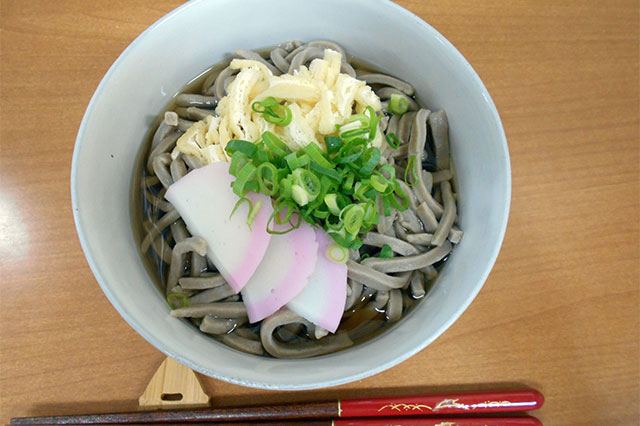
| Prefecture | Tokushima (徳島県) |
|---|---|
| Region | Shikoku |
| Japanese name | 祖谷そば(いやそば) |
| Reading | Iyasoba |
| Home area | Three Gyresco |
| Main ingredients | Close |
History and Origins
If you live in the valley of Sakura in the Three City, it's the best place you've ever met. It is said that when the plain house, which had been defeated by the First Peace, had fled to the Valley, it began growing fruit nearby. Since the rice is also hard to grow in, the traditional diet has become the main food in the region where it is easy to grow and is less cultivated since then. The local food that represents such a valley is "Sunji Hikiya." It's a deep-sea soul food made of local flavour. The fact that noodles are easy to cut and get fat and short makes them called "malicious." For water to be added in slicing powder, for fresh water from the canyons, and for materials, we use the food from the arch. In addition, there are a lot of soy sauces made in Ojidani, such as "Schiki rice" that use its side nuts as they do.
When It Is Eaten
In the Hajidani area, we have a "summer" that sows seeds near us in about August, and two months later, in October, the harvest will be harvested. The fruit near the harvest is sun dried for about a month and then we do threshing and grinding and then we make a side. This is how it was made. In addition to being served during celebration, the Okaji Shizuru was treated as a food for hospitality when people gathered together.
How It Is Eaten
It is said that women in each household used to eat falsification. When many people come, they say they have prepared and prepared hospitality from the previous day. The powder adds the water of the canyon and cuts it with a knife. It's characteristic that the noodles are easily cut and cut to make them without putting the flour in them. The side is boiled, served on rice, and cooked with warm clothes. Add to the materials oiling and stringing, as well as some mountain vegetables.
Recipe — Serves 4
Ingredients
- 300 g buckwheat flour
- 160 ml water
- 40 g kamaboko (fish cake)
- 2 aburaage (fried tofu pouch)
- 20 g leaf green onion
- Broth: 1400 ml water
- Broth: 20 g niboshi (dried sardines)
- Broth: 8 g dashi kelp
- Broth: 20 g bonito flakes
- Broth: 80 ml light soy sauce
- Broth: 20 ml mirin
- a pinch dusting flour (buckwheat flour)
Method
- I'll keep the powder on.
- I can pour a little water into the water and start making it into flour.
- We're going to put together a tight bundle of pella powder. We're going to make our hips tight.
- I'm going to dust the noodles table and throw three in the noodles bar.
- If it becomes as thick as mm, then cut the two of them into two millimeters.
- If you cut it, I'll ground it and loosen it so it doesn't stick.
- The boiling water boils six to a monkey for two minutes, and the cold water is washed, and the water is served well.
- Put the rice and boiling water in the pot, and put the water in the pot for two hours.
- If you put a pot in the fire and you put a foam in the cloth, you'll be boiling, and then you'll have a pack and two minutes of pot and then you'll have three minutes of boiling and then you'll have to put the fire out.
- Cut the cucumbers, and make the oil pans two centimeters long, and cut the leaves into small slices.
- I'm going to put a small bowl of rice in the soup and make it boil up. Add the seven cucumbers to the cucumbers and add the cucumbers, oil, oil, and leaves.
More About Iyasoba
The Kojiji is a local dish, eaten centrally in the Tokushima Prefecture city of the Archipelago.
Overview
It's made from soba, harvested in the Old Valley region. It's characteristic that no ties are used, but the noodles are more fat and easily cut than the normal ones.
The sharp contrast between day and night in the archduke valley makes it considered suitable for soba cultivation. It's also a special product of the Three City, approved by SAVOR JAPAN in 2016.
Text adapted and translated from the Japanese Wikipedia article 祖谷そば by its contributors, licensed CC BY-SA 4.0.
Dish data: Ministry of Agriculture, Forestry and Fisheries (MAFF), “Uchi no Kyodo Ryori” (Our Regional Cuisines) database, used under the Public Data License (PDL1.0); translated and adapted from the Japanese original.