46 9 いりやき
| Prefecture | Nagasaki (長崎県) |
|---|---|
| Region | Kyushu & Okinawa |
| Japanese name | いりやき |
| Home area | It's a fair against the horse. |
| Main ingredients | (Childs, cucumbers, cucumbers, cucumbers, cucumbers, peas, peas, eggs) |
History and Origins
A more ancient dish for the island-to-horse in the Japanese Sea. There has been a custom in local families since the time of the wedding feast, where people gathered for the funeral, to steal from their native chickens and make a pot, which is said to have led to what we call the "snap." But it seems that families on the beach, such as fishing villages, have replaced chickens with fish from nearby waters to make a pot. Now, two types of chicken and fish may be passed on as basic recipes. The name "Koji" comes from a pot that has first been made with a chicken or fish in the soy sauce. This is viewed as the same recipe as the one in the "Burn Burn" of the Peace Age.
When It Is Eaten
Even now, each home is prepared as a dish for the host of guests at any time of celebration or law. On the other hand, there are several stores that are always served as a fine dish, and it is ready to be eaten by local tourists.
How It Is Eaten
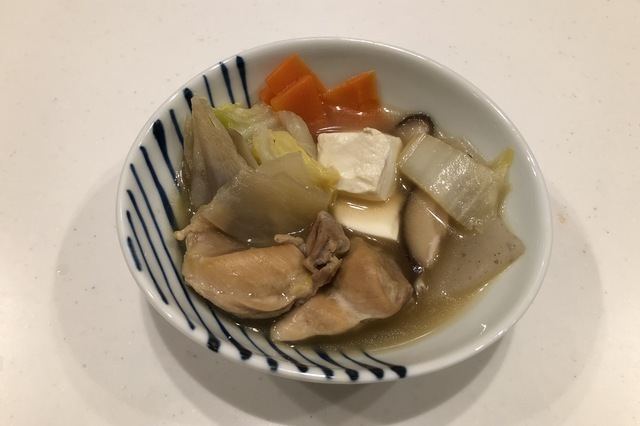
A pot made with chicken or fish in main, vegetables, garlic, tofu and so on. If you want to make a fish for main ingredients, you can either put in a fish, or you can put in a fish, or you can put in a fish, or you can put in a fish, or you can put in a fish, or you can put in a fish, or you can put in a fish, or you can put in a fish, or you can put in a fish, or you can put in a fish, or you can put in a fish, or you can put in a fish, or you can put in a fish, or you can put in a fish, or you can put in a fish, or you can put in a fish, or you can put in a fish, or you can put in a fish, or you can put in a fish, or you can add a fish, or you can put in a fish, or you can put in a fish, or you can put in a fish, or you can add a cheese, or a cheese, or a fish, or a fish, or a fish, or a fish, or a fish, or a fish, or a fish, or a fish, or a fish, or a butterfly, or a butterfly, or a butterfly, or a fish Soup flavors vary from home to home, but they are a little sweeter to add sugar and garlic as well as soy sauce. When you finish eating the cooking utensils, the soup, which contains the flavor of the ingredients, is either a somen or a special treat. It is a local way to eat it, and the flavor of it has also given rise to the saying, "Sweet is served later."
Recipe — Serves 10
Ingredients
- 1–2 kg free-range chicken (鯛などの白身魚でも可)
- 300 g Chinese cabbage
- 50 g long green onion
- 150 g shungiku (chrysanthemum greens)
- 30 g konnyaku
- 20 g shiitake mushrooms
- 15 g burdock root
- 25 g sugar
- 40 g soy sauce
- 20 g sake
- close, to taste
Method
- The local chicken is cooked with rice. (The longer you boil, the softer the soup comes from chicken) on the horse, you buy one for a chicken and use it. (There's a shop, and it's easy to eat.)
- Cut the tools, such as vegetables.
- I'll add seasonings and cook more.
- Add cut vegetables.
- We eat with a hand-to-hand sawmen on a bowl and with a bowl of soap and soap. When it comes to fishing, salt or soy sauce will often taste just fine. Fish are white, and they use a single fish.
Dish data: Ministry of Agriculture, Forestry and Fisheries (MAFF), “Uchi no Kyodo Ryori” (Our Regional Cuisines) database, used under the Public Data License (PDL1.0); translated and adapted from the Japanese original.