Jīmāmidōfu ジーマーミ豆腐
| Prefecture | Okinawa (沖縄県) |
|---|---|
| Region | Kyushu & Okinawa |
| Japanese name | ジーマーミ豆腐(じーまーみどうふ) |
| Reading | Jīmāmidōfu |
| Home area | All within the province. |
| Main ingredients | Hanamoto. |
History and Origins
Jemami is a flower plant, and it has a unique flavor, like "Goma Tofu" that has been boiled and ground in water and ground in the ground. The rice is very strong, but it has a good taste for the soft touch. It's also a high protein product with high calories and high nutrition. Zemmami means flower plants that grow beans in the soil and ground beans. It has been treated as a valuable food since the days of the Cypriot dynasty. Zemmie Tofu was used mainly on Hale Day. In recent years, existing products have been sold and served as everyday food.
When It Is Eaten
"Zemamito Tofu" is a kind of innocuous dish similar to "Goma Tofu" and is often used in legal and celebration. At one time, flower plants were valuable and were eaten only on special occasions.
How It Is Eaten
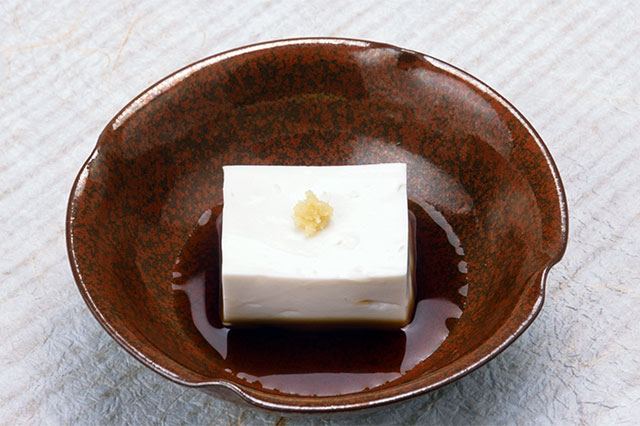
The flower plants are taken from the shell and put on soft water and peel off their skin. If you mix raw flowers and water with a blender and make it smooth, then squeeze them hard with a cloth. When this juice is poured into a pot and cooked, boil it and smell the flower plants, add a mmgkzi juice to it (which melted the waste in water) and mix it well. After half an hour, when the stick comes up, it stops the fire and sinks it in a water - wet sink and cools it. When it's solid, cut it into pieces, and then place it on a broth or pepper made from soy sauce, made from soy sauce or cane. You should drop a little bit of ice water to make sure that the paste is ready.
Recipe
Ingredients
- 1 cups fresh peanuts
- 1/2 cups いもくず
- 3 cups water
- Broth: 2 tbsp dashi stock
- Broth: 1 tbsp soy sauce
- Broth: 2 tsp mirin
- Broth: grated ginger, to taste
Method
- The raw flower grows in soft water and then peels.
- (If a flower flower is mixed with half a cup of water (and 1/ 2 cup) and a smooth fluid becomes a blender, use the steaming juice that is pressed with a cloth.) The garbage is melted and buried in the remaining 1/2 cups of water.
- Put two juices in a heavy pot and put it on the fire. When the smell of raw flowers is melted off, we add sap and mix it well with saws. When it solidifies, it will burn and paste until the hard stuff is soft again.
- I'm constantly mixing it with saws, and I'm going to do it for about half an hour. When milky white fluid is soaked with sticky saws, you stop the fire.
- The sinker is wet with water, the 4 is washed quickly, the surface is levelled, and the surface is cooled.
- I'll keep the soup in place.
- When it's solid, I'll cut it out of the sink and cut it to the size of my favorite dish, put the peppers on the table, and pour the juice around it so that it doesn't fall on the gimmie tofu.
More About Jīmāmidōfu
In Zimmermie's kanji language, "earth beans" means phoenix, and in some places, it also means "gemmy" and so on. In the southwest, peanut tofu is also called the tofu, the tofu to the fallen flower, and the tofu to the lore.
Characteristics
It's called "tofu" but it's made not by making soybeans but by adding the juice of the fallen flower and the potato with the succulent eso. It's like taking citrus tofu in peanuts, and replacing it with corn crumb. It's like mahogame tofu, a strong sense of food. It's available easily in supermarkets and markets in Okinawa Prefecture or in Kagoshima Prefecture. There's a tiper attached to a commercial item, and I eat it over it. In recent times, sugar-snap oil may be added. Okinawa Prefecture also sells various sweet flavors, such as black sugar, red potatoes and chocolate, besides what you eat from your soup tip.
Area
In the southwestern islands, besides Okinawa Prefecture, and Kagoshima Prefecture, the island's subsidy is made up of ground tofu tofu tofu tofu. In particular, Tokushima is a flower growing well and is made of sweets such as beans.
In the mainland region of Kagoshima Prefecture, there are examples of eating as a dead flower tofu in Kagoshima City and deerhouses. I'm going to have to do something about it.
In parts of southern Taiwan, where there are many guests, such as Haoji, Tajito, Taiwanan, and Sungju, the sound of "Huzu" is "Huzu ā ā ā ā ı ı ı ı ı ı, ó ó inju, ó ó ó ó ó ó ó ó ó ó ó ó ó ó ó ó ó ó ó ó ó in the southern part of the country," and so on and so forth, it's called "Fheng ó Other It's not soybeam potato, it's sticky with rice powder, but mainly with a pot of potty rice. I'll put on oil-based garlic, paste it, and put in crushed peanuts and eat them.
How to Create
It's made by placing the dead flower in water, grinding it, adding potatoes and then putting it in a fire, and then adding it to it. The fine cooking methods vary locally, and the city of Kagoshima Prefecturekx is a water-punked flower that is traditionally made in each home by the ratio of the potato potato-mampon 1. In the Kagoga city, water is not added, but mixed in, and then heated by adding water and soy saucemong.
How to Eat
It is most common to eat with a bowl of yuzu or citrus oil, but there are examples of sweet taste by adding black honey or sugar. In Oita Prefecture, we eat with soy sauce and soy sauce. In Kagoshima Prefecture, you may eat it with dry sugar and vinegar.
Or you might put a starch on the surface and eat it with oil, fried, fried or fried tofu or tofu or tofu.
Note Point
Since the raw materials are peanuts, eating food allergy to peanuts can cause acute allergic reactions. A tourist with peanut allergy has been eaten and rushed to the emergency station without knowing it. For this reason, health centers in Okinawa Prefecture have called on the restaurant to write out the raw ingredients for the zimmerame tofu to be peanuts.
Text adapted and translated from the Japanese Wikipedia article ジーマーミ豆腐 by its contributors, licensed CC BY-SA 4.0.
Dish data: Ministry of Agriculture, Forestry and Fisheries (MAFF), “Uchi no Kyodo Ryori” (Our Regional Cuisines) database, used under the Public Data License (PDL1.0); translated and adapted from the Japanese original.