Sata andagi サーターアンダーギー
| Prefecture | Okinawa (沖縄県) |
|---|---|
| Region | Kyushu & Okinawa |
| Japanese name | サーターアンダーギー |
| Home area | All within the province. |
| Main ingredients | Cypriot |
History and Origins
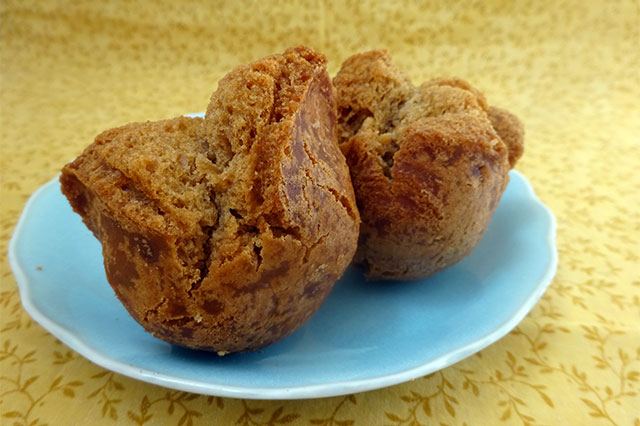
The kingdom of Sakura, influenced by China, has grown into a mixture of Chinese and Japanese style. The sophisticated technique of the cakemakers added up there, and created something with the hot Okinawa Prefecture wind. There are especially many sun-to-day snacks, such as fried candy, and it is essential to host any event or ceremony to celebrate. A nationally famous "Surther Undergey" is the XOkinawa Prefecture snack. It's the Okinawan doughnut that has been fried with oil and with eggs and sugar. It is characteristic of fried fabric that one side of the fabric is broken, and the tulip flower is blossomed. It's thought to be candy from China and similar to Chinese candy, "Let's open your mouth" and "sniff your mouth" And there's also the dish called "mmuk-gee" that uses sweet potatoes and red potatoes and "white undergie" that doesn't use sugar.
When It Is Eaten
Besides being eaten as a family snack, important events and rituals are followed by traditional citrus cakes, which are the most popular candy in Okinawa Prefecture.
How It Is Eaten
The colorful underguy, which is mixed with steamed red potatoes, pumpkins and carrots, is also popular in the province.
Recipe
Ingredients
- 2 egg (Mサイズ)
- 130 g brown sugar (granulated sugar)
- 230–250 g cake flour
- 2 tsp baking powder
- 2 tsp vegetable oil
- oil for frying, to taste
Method
- I'll keep thin powder and baking powder together.
- We mix the eggs in the bowl, add sugar and keep them from foaming up, and then we mix them well until they're finished.
- Add 1.1 thin flour to the top, mix well, add salad oil. (It's a point to mix it up tightly for about two minutes or three minutes until it comes out of the fabric.)
- With a daze of water on your hand, round to about two centimeters in diameter, and gently drop it into the oil of the Ha Ni.
- The seeds that have sunk to the bottom (30 seconds) rise slowly, rotate and swell, one cracks and opens into a tulip shape. Give me about five minutes.
- If you don't have a brandy and a tap and raw fabric to follow, it's done.
More About Sata andagi
Sata andagi (サーターアンダーギー, sātā andāgī) are sweet deep fried buns of dough similar to doughnuts (or the Portuguese malassada, or the Dutch oliebollen), native to Southern China, there named sa-yung (Chinese: 沙翁; pinyin: shāwēng; Jyutping: saa¹ jung¹; Cantonese Yale: sā yūng), then spread to the Japanese prefecture of Okinawa. They are also popular in Hawaii because the Ryukyuan diaspora, sometimes known there simply as andagi and Palau where they are known as tama. Sata andagi is made by mixing flour, sugar and eggs. The ingredients are mixed into a ball and deep fried.
In its Okinawan name, Saataa means "sugar", while andaagii means "deep fried" ("oil" (anda) + "fried" (agii)) in Okinawan (satō and abura-age in Japanese.) It is also known as saataa andagii and saataa anragii. Incidentally, on Miyako Island, this is called Satapambin (さたぱんびん), pambin means "fried" in Miyakoan language.
Sata andagi are a part of Okinawan cuisine. Like most confectionery from the Ryukyu Islands, the techniques for making them are descended from a combination of Chinese and Japanese techniques. They are typically prepared so that the outside is crispy and browned while the inside is light and cake-like.
In popular culture
A scene from Azumanga Daioh and its anime adaptation has the character Ayumu "Osaka" Kasuga repeating the phrase, "Sata andagi!" The scene became an internet meme within the anime and manga community.
Text adapted from the English Wikipedia article Sata andagi by its contributors, licensed CC BY-SA 4.0.
Dish data: Ministry of Agriculture, Forestry and Fisheries (MAFF), “Uchi no Kyodo Ryori” (Our Regional Cuisines) database, used under the Public Data License (PDL1.0); translated and adapted from the Japanese original.