47 9 カーサームーチー
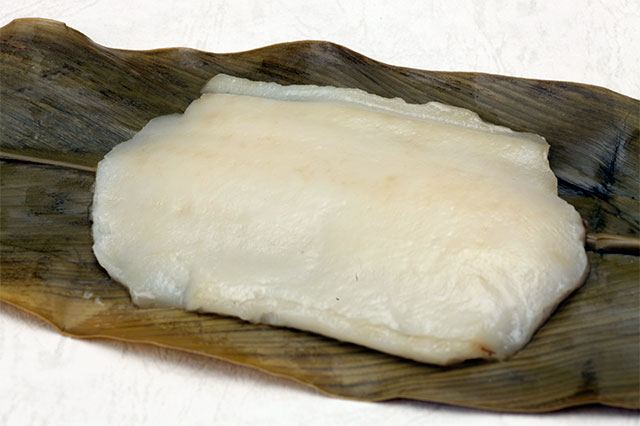
| Prefecture | Okinawa (沖縄県) |
|---|---|
| Region | Kyushu & Okinawa |
| Japanese name | カーサームーチー |
| Home area | All within the province. |
| Main ingredients | Boredom |
History and Origins
( "Carssasassui" or "carsass" or "carsams" or "dums") are wrapped in moonsy leaves and boiled. On December 8th of the old calendar, an annual ceremony dedicated to the god Buddha to pay off his debts and praying for the health of his family. It is said that the origin of the word "demon" is based on folk tales and is from folk tales that remain in the city of Shikoku. When my brother's sister, who had lost her parents earlier, married when she was old enough, her brother who was a single thrower became a demon and ate not only cattle but also children as well. It is reported that in an attempt to do something about it, my sister put iron in my brother's favorite bowl and made it, pushed it from the cliff and killed it while eating. The delicious aroma of the tonsils carers when steaming serves to float and cleanse the house. And from the demon-slayer episode, when you steam Muchi, the juice is boiled around your house, and the Sanin's Kassar, wrapped around your house, is tied in a sun-stuffed entrance, hanging on the entrances and fronts, leaving the practice of boiling. In recent years, not only do they make simple, powdered whites, but they also add black sugars, red potatoes, and chocolates, and chocolates, and so on, and so on, and so forth, often make changes in places and homes. Carsastas along the way. Carsasas along the way. The first Muchi, born of a boy, is the leaves of a tree that celebrates making what is particularly large called "mousture." And there's also the custom to call the first Muschi, whether male or female, the first Musaki, and to pass "Carsssalsuchi" on to relatives and neighbors.
When It Is Eaten
The old calendar date is set aside for pay on December 8th and eaten by the family. Okinawa at this time of the year is extremely cold, and it's called Muchisheza. There's also the custom of weaving a muchi for the number of children's years and hanging it on walls and columns. In the past, even in kindergarten and kindergarten, I often worked at making Muchii.
How It Is Eaten
We mix the flour with flour, add water, and often rub it with our hands and make it as hard as ears. I'll wrap it in a wet cloth and put it to sleep for a while. I'll put the dough in a big slice, wrap it on the back of the leaves of the sunnin, and tie them in a string for 30 minutes. Sometimes you can put in a ukon powder or a black sugar or a red potato and finish it with color and color. It can be made with kbasai instead of the leaves of Sanin.
Recipe
Ingredients
- 500 g 200 g 200 ml 10 glutinous rice flour
Method
- Add black sugar to the powder, add water, and often melt black sugar and make it as hard as ears.
- It is equal to the size of your favorite, and is wrapped in a rectangle on the back of the Sanin's leaves.
- I'll be steamed for about 20 minutes with a steamed soda.
Dish data: Ministry of Agriculture, Forestry and Fisheries (MAFF), “Uchi no Kyodo Ryori” (Our Regional Cuisines) database, used under the Public Data License (PDL1.0); translated and adapted from the Japanese original.