Bakkemiso ばっけ味噌
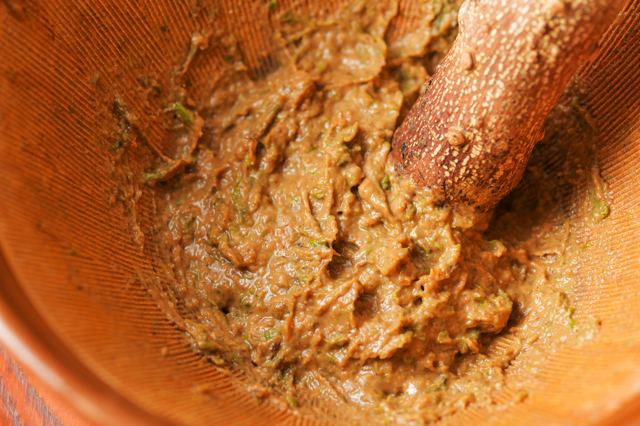
| Prefecture | Miyagi (宮城県) |
|---|---|
| Region | Tohoku |
| Japanese name | ばっけ味噌(ばっけみそ) |
| Reading | Bakkemiso |
| Home area | Miyagi Prefecture |
| Main ingredients | I'll wipe it. |
History and Origins
In the Edo period, the teaching spread that "if you eat leaves or roots, you get poison." It is thought that gradually the raw sauce developed into a seasoning that we have woven together. Therefore, the season-to-season diet is now being served. In the season's season season season, the dish often eaten at Miyagi Prefecture is "snake." "Small" is the dialect of the castle referring to a moustache. There is a theory that the ghost has become a "small" since the melting of the ground and the flowers bloom. This fat is a vegetable that is often liked and eaten by telling you spring and to give you the body poison during winter. Since the flowers are hard and tasteless when they are bloomed, we use them to pick the soft thorns before the flowers bloom. It is said that as a nutritional price, it contains more potassium, salts, boils, and lowers blood pressure. It is also said that the bitter ingredient is Aloneid and Kenfehr, which have the effect of strengthening the liver function, promoting metabolism and suppressing cancerous substances such as active oxygen. In addition to being cooked with kanji, rice, and delicious food, the "sook-sook" which is made with taste and taste is often made.
When It Is Eaten
In the spring when the dust comes out, each family can be made. In some homes, a year's worth of frozen food is saved and goes to the table all year round.
How It Is Eaten
I'm boiling the pot with a pot of apricots, and I'm adding them to the sauce and taste. The finished product is placed in a storage container, such as a bottle, and stored in a refrigerator. Besides being on hot rice, adding to the tadpoles and lunchings, adding to the roasted meat, fish and tofu... and eating well on a daily basis.
Recipe
Ingredients
- 100 g ばっけ (butterbur)
- 60 g shelled walnuts
- 200 g miso
- Mix: 100 g sugar
- Mix: 2 tbsp sake
Method
- After washing the soap, I boil it quickly, expose it to water, and remove the pot. I'll cut the water down very carefully.
- I'm going to use a miller to rub it out and add some steam and soap. Then add taste A and mix it.
- Put two in the pot, put two in the fire, and paste it with a weak fire. Stop fire while it's soft.
- If you cut the soap raw, add a taster, sugar, and vinegar, it will add a stronger flavor. If you boil the soap too gently, you lose the flavor. You can use a steamed stem, but if you crush it in a plastic bag, it'll be soft.
Dish data: Ministry of Agriculture, Forestry and Fisheries (MAFF), “Uchi no Kyodo Ryori” (Our Regional Cuisines) database, used under the Public Data License (PDL1.0); translated and adapted from the Japanese original.