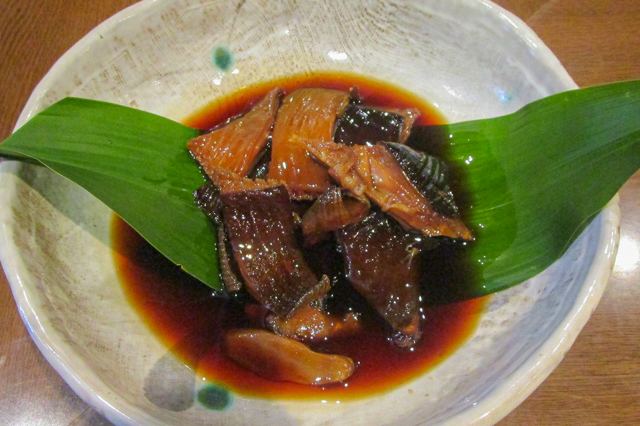
Einonikogori エイの煮こごり
| Prefecture | Nara (奈良県) |
|---|---|
| Region | Kinki |
| Japanese name | エイの煮こごり(えいのにこごり) |
| Reading | Einonikogori |
| Home area | All inside the county, in the center of the Cygnus. |
| Main ingredients | Uh-huh. |
History and Origins
It's a sweetly boiled dish with red rays, and it's a regular native dish, such as castles. Because when you boil, the gelatin is melted into the soup, and when it cools down, it becomes more gelous, we call the orange stew "Aye's stew." The castle area, where the old Osaka has been in contact with the river, was able to eat fresh fish so that fish from Osaka could reach the interior streets as quickly as possible. In particular, the orange was made with a fresh red orange, since when it fell, it gave off an Anglo-Aid odor. The "Eye's Cooking" was eaten at the fall festival. Also, the "basin" held in the New Year's Day Sun's Sungi will have been eaten by the "Found Festival" and the "Russow of Red Age."
When It Is Eaten
The festival, New Year's Day, weddings and so on. The red rays used for "Aye's Cooking" start in spring to summer, but are caught all year round, so they can be eaten for the year.
How It Is Eaten
I cut the liver of an orange into small pieces, roast it, and boil it to the bottom of the rice, and it will taste delicious.
Recipe — Serves 3
Ingredients
- 350 g エイ
- 1/4 cups sake
- 2 tbsp mirin
- 2–3 ginger
- 2 cups water
- 2 tbsp sugar
- 1/4 cups soy sauce
Method
- I'm going to cut the rays into six-inch corners and give them enough to cover the water. After you smell, I'm going to cut off the moisture.
- Put ingredients in the pan other than orange, boil it, and then cook it in the middle of the fire.
Dish data: Ministry of Agriculture, Forestry and Fisheries (MAFF), “Uchi no Kyodo Ryori” (Our Regional Cuisines) database, used under the Public Data License (PDL1.0); translated and adapted from the Japanese original.