Home / Nara / Namabushitoneginonimono
Namabushitoneginonimono 生節とねぎの煮もの
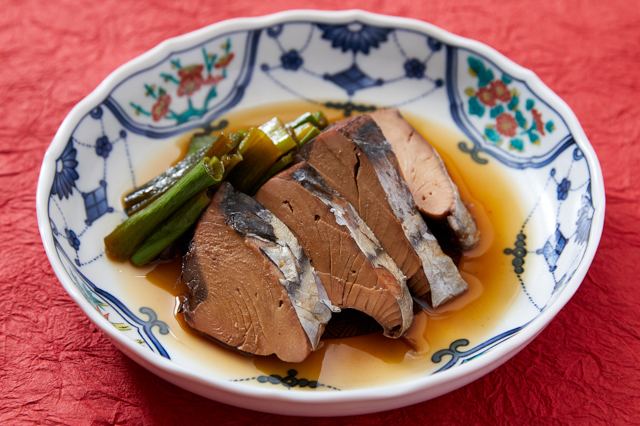
| Prefecture | Nara (奈良県) |
|---|---|
| Region | Kinki |
| Japanese name | 生節とねぎの煮もの(なまぶしとねぎのにもの) |
| Reading | Namabushitoneginonimono |
| Home area | All within the province. |
| Main ingredients | It's the Tsinekka. |
History and Origins
In Nara Prefecture, which was not on the surface of the sea, the stews with the daily dish were often eaten. The raw bar is a processed product that was dried in the process of making casserole. By drying it out, the extra water is released, and the flavor and flavor are added. It's also a natural food with high protein protein and low calories, so it can be used for a variety of dishes. The raw bars are eaten well with the vegetables of the season. Especially are they compatible with the cucumbers, and the "Salk of Life" is well eaten. It's the trick to add a lot of soup with a thick soy sauce. In the town of Nara Prefecture, there is the legendary "Cinsianebka," which is the place of virtuosity. It is said that when the villagers planted the reeds that came down from the sky with the surface of the house town, they planted them there, and they developed a beautiful bow. It's said that the pupa became famous as a ligature and became known as the famous source of the spiral. Since the consensuala is soft and sweet, it's good for boiling and appetizing. In Nara Prefecture, "scroll" is called "nebka."
When It Is Eaten
A raw bar is a Nara family dish that can be eaten year after year, since it is marketed all year round. I cook with seasonal vegetables, baked tofu, and so on.
How It Is Eaten
Put the juice in the raw bar that is easily eaten and boil it, and then add the sauce when it is packed.
Recipe — Serves 5
Ingredients
- 50–60 g(8) life Sections
- 150 g ksenanabka (青ねぎでも可)
- 300 ml dashi stock
- 200 ml sake
- 100 ml soy sauce
- 50 g() sugar
Method
- Put it down, place the cut bar into a pot, and put the juice in a pot.
- If the soup is boiled in a medium-sized soup, I'll finish the sesamebekka cut into three centimeters.
Dish data: Ministry of Agriculture, Forestry and Fisheries (MAFF), “Uchi no Kyodo Ryori” (Our Regional Cuisines) database, used under the Public Data License (PDL1.0); translated and adapted from the Japanese original.