Jojokiri じょじょきり
| Prefecture | Aichi (愛知県) |
|---|---|
| Region | Chubu |
| Japanese name | じょじょきり |
| Home area | The Tohoku River region, center of Mishima. |
| Main ingredients | And I'm going to show you how to do that. |
History and Origins
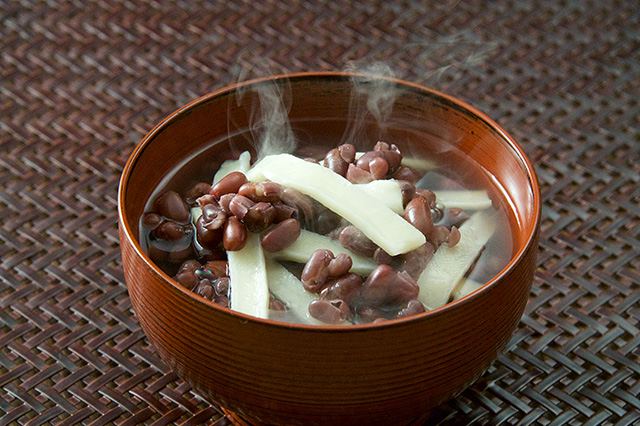
Mishima is a peninsula located east of Aichi Prefecture, the northern tributary bay, the south Pacific, and the naturally blessed region of the sea and the mountains. Mishima is a very suitable environment for agriculture. But once there were no large rivers, always plagued by drought, and never fertilizing was a poor soil. After the Shogun and the Yuka River water were formed, agriculture quickly developed into one of Japan's largest agricultural fields in the harvest of vegetables and flowers. That's what's called "swift-knit" food that's been served to farmers in Mishima since the Meiji period. It's also called "Ichi Lake's Juice." I'm going to eat the unspoiled noodles, and I'm going to boil them with sweet, sugary juice. It is said that the fine, smudged noodles that are made of flour are similar to the dojou and so they have come to be called "swift-knit"). It is characteristic of sweetened sugar for fatigue, since they were eaten instead of the snacks between agricultural and agricultural operations.
When It Is Eaten
At one time, they were eaten as food between farms. They were also eaten by farmers, such as Hajigi, rice, and so on.
How It Is Eaten
If you add water to the flour and you fold it for a little bit, you'll get thinr with a stick and cut it to about an inch wide. Put it in the boiling water, boil it, put the beans in the end, add a lot of sugar and salt and eat it. There's a good sense of food in noodles and the sweetness of beans and sugars spreading in your mouth. It is common to eat as sweet lye, but the ovens with lily potatoes, carrots and so forth are also eaten. They say that when they ate with the soy sauce, they used it as a staple food.
Recipe — Serves 4
Ingredients
- 100 g cake flour
- 60 g azuki beans
- 400 ml water
- 4 tbsp sugar
- a pinch salt
Method
- The beans are washed, put in a pot, add three times as much water as the beans, put them on fire, and boil them once to drain out. Once again, add three times as much water as beans and burn them in the fire, and boil them in half an hour until they are soft.
- The thin powder is made a little hard with water, convex it, and then cut it into a three-millimeter thickness with a bar and a four-millimeter-long length.
- Put two in the boiling water and wait until it floats.
- When you rise up, you can put in one bean and taste it with sugar and salt.
Dish data: Ministry of Agriculture, Forestry and Fisheries (MAFF), “Uchi no Kyodo Ryori” (Our Regional Cuisines) database, used under the Public Data License (PDL1.0); translated and adapted from the Japanese original.