Kujaku くじゃく
| Prefecture | Oita (大分県) |
|---|---|
| Region | Kyushu & Okinawa |
| Japanese name | くじゃく |
| Home area | I'm from the city of São Paulo. |
| Main ingredients | White fish, eggs. |
History and Origins
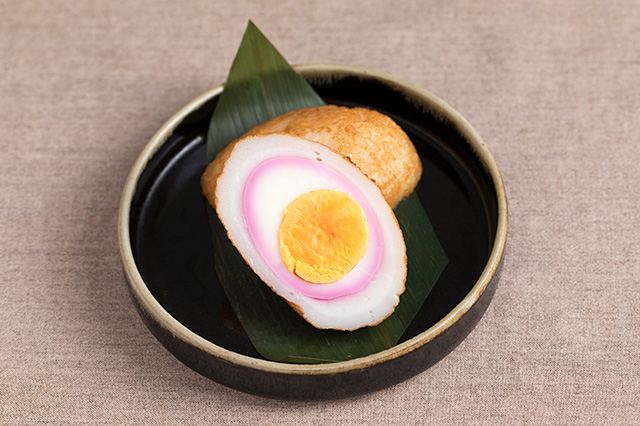
It can be divided into mountains from the Kyushu mountain range, into plain and coastal areas of the interior coast, across the first and second rivers, below the river. In the West Southwar of Iseshima, when I was in the 10th year of Iseshima, the border between Miyazaki and Miyazaki became a battlefield. A part of the Western West forces that make the League of Shikoku are allies have invaded Misaki City. There are still signs in the Ise-Nugawa district. The "screw" that comes to the Count of Shang City was wrapped in a green - colored white fish's skin with a red-colored rice egg. The green, red, white, yellow and pale colors when cut in half, are similar to those on the wing of the eggs. This name came up. It's a native dish in the city of Shang City, situated near a well-rich ocean well-fed near the well. The processed goods, such as the skin, were often made so that fish that had long since been boiled were not wasted. The fish is often used by eso, but Eso has a lot of small bones, so it doesn't pass through with a knife or a three-legged knife, but it's made into leather and macabre. For the people of Oita Prefecture, it's a familiar fish feed. The "rotten" with color has been eaten in a celebration seat, such as New Year's.
When It Is Eaten
From that shag look, we can often eat on the hale scene. I'm told that in Sasaki City, you can be included in the New Year's section, and you can also join the lunches for the athletic day. Over the years, local supermarkets and Xroadside station are also sold nearby.
How It Is Eaten
I'm going to boil the egg shell and color the white part in red. Next, you will make the flesh of (such as white fish eso) and then use sugar, salt, eggs, and powder as a mixture. This time I'll put green lipstick on my skin. In addition, wrap the eggs with a piece of flour in them for about 15 minutes. The steam is the way it is eaten, but now it's fried with oil. If you want to fry it, you can do it slowly so that you don't get the oil from 180°C. Cut the steam and fried eggs in a vertical order and place them on a striped wing. You can also use colors of your favorite color, as well as red and green, and reproduce the silk feathers. Many are sold red and green. Nowadays, there are also items that are more likely to avoid artificial colors, and that don't color the body.
Recipe — Serves 20
Ingredients
- 2 kg fish (eso)
- 35 g salt
- 125 g sugar
- 1 egg white
- as needed boiled egg
- a pinch red food coloring
- as needed oil for frying
Method
- Three fish like Eso dropped into three.
- I will crush the fish on the board, mix salt, sugar, egg whites, and then mix it even better.
- Cook the eggs in a red color.
- Put water on your hand and shake enough for an egg.
- The eggs can be boiled on the spread of the skin.
- The eggs are wrapped in boiling clothes.
- I'll wait a little longer and then I'll fry it with oil.
More About Kujaku
The native dish of the Oita Prefecture region. It's a dish not very common outside the village of Sakura. The eggs were wrapped in a red-colored rice and wrapped in a green-colored white fish skin.
Overview
It was named because when you cut it in half, it was green, red, white, yellow and pale, and it looked just like the pattern in the wing feathers of the eggs. Eso and white fish are often used in fish mills. Eso has so many skeletons that it doesn't pass through with a knife or a three-pence knife but is made into a strip or a macabre. For the people of Oita Prefecture, it's a familiar fish feed. The colored shag is eaten during celebrations such as New Year's and athletics. In recent years more and more people don't like artificial colors, so they can also make a "cook" that doesn't color the body.
Text adapted and translated from the Japanese Wikipedia article くじゃく by its contributors, licensed CC BY-SA 4.0.
Dish data: Ministry of Agriculture, Forestry and Fisheries (MAFF), “Uchi no Kyodo Ryori” (Our Regional Cuisines) database, used under the Public Data License (PDL1.0); translated and adapted from the Japanese original.