Home / Aomori / Taranojappajiru
Taranojappajiru 鱈のじゃっぱ汁
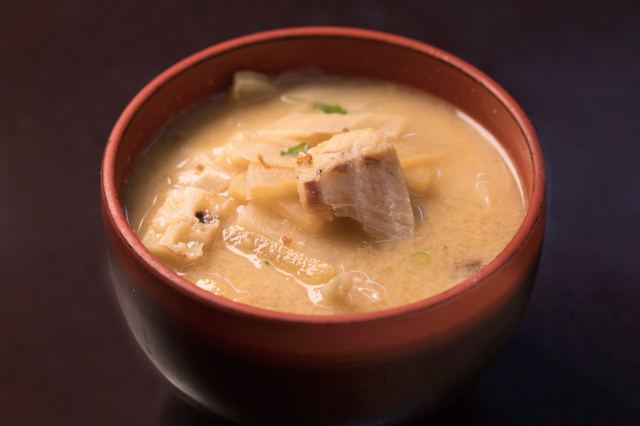
| Prefecture | Aomori (青森県) |
|---|---|
| Region | Tohoku |
| Japanese name | 鱈のじゃっぱ汁(たらのじゃっぱじる) |
| Reading | Taranojappajiru |
| Home area | Tsugaru |
| Main ingredients | It's like, you know, |
History and Origins
"Soo" means "soon" in the Tsugaru dialect. The soup that you make from all of them is called "soy sauce." In New Year, in the Tsugaru region, Tara is an indispensable "year-old fish," and there is even a local term for "moon." It used to be the wind poem of the year buying a whole bunch of large cod and dragging back in the snow. After the fish were down and took over, they heated up the hot, cold body of the fish with a large root, carrots, and so on. It was a rich, untidy, nutritious, delicious family meal.
When It Is Eaten
One of the New Year's dishes. The cod that is harvested during the harsh winter season is called "coldala" and is the most fatt. In the big fish, it was an old-fashioned sight when women waiting on the beach to celebrate and make "soy sauce." We cook cod on the beach and cook with a homemade taster in the barn. The boiling juice from the core of his body was the best food for the men who returned from the cold fishing in winter. It is still established as a summer beach dish and is eaten at home.
How It Is Eaten
Cut Tara's head in two, cut the middle bone into size easily eaten, and wash her internal organs well. Making a lot of stuff in a pot as large as possible is the trick of taste. Big roots and onions are sure to go in, but other ingredients, such as vegetables and tofu, vary from home to home. The rich chrysanthemums are added to the moss by the last melting of the liver after boiling. Fresh albino is the best taste you can have.
Recipe — Serves 10
Ingredients
- 1 dashi kelp
- 1–1.5 kg タラのじゃっぱ
- 1 daikon radish
- 1 carrot
- miso, to taste
- 1/2 cups(100 ml) sake
- 2 green onion
- 2 L water
Method
- Put about 2 L in the pan, dip the gravy, and soak it overnight.
- The pot will be cooked, and when it is boiling, remove the soup, and cut the large root into a single - inch - thick slice and boil it in a pot.
- When the radish boils, make a taste bowl.
- With a little salt water, I do a quick wash and we do a drain.
- I'll put some sauce in and cook it. When the ant floats, I'll boil it for about 20 minutes while removing it.
- Put a drink in and pick up the flavor and cut the comb into a little bit.
- If the rod goes through the fire, I'll stop it.
Dish data: Ministry of Agriculture, Forestry and Fisheries (MAFF), “Uchi no Kyodo Ryori” (Our Regional Cuisines) database, used under the Public Data License (PDL1.0); translated and adapted from the Japanese original.