Yuzu koshō ゆずごしょう
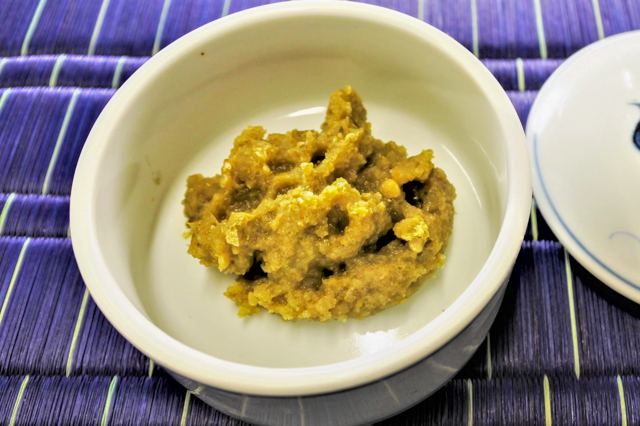
| Prefecture | Fukuoka (福岡県) |
|---|---|
| Region | Kyushu & Okinawa |
| Japanese name | ゆずごしょう |
| Home area | All within the province. |
| Main ingredients | Akiko! |
History and Origins
In the Kyushu region, a familiar flavor is a common flavor. There are many theories about the origin of the world, including the area around the XFukuoka Prefecture, which is said to be one of them. It was known as the Test Mountain, and many of the hillbillies lived in the barracks. It is also said that the mountain rangers used the pups that lived in the mountains to make medicine. It's called "susame" but it's not used in general peppers. It's used in pepper. In the Kyushu region, it's to call the pepper pepper a pepper. Common peppers are distinguished from sea peppers. The pepper pepper is commonly used with blue pepper, but sometimes with red pepper. Generally speaking, green objects are bitter and red ones have a strong smell, so they can be used out of style.
When It Is Eaten
As the contemplative winters get more and more yellow and ripe, so we use the pre-supposed jaundice. Since the period of the blue pepper is from July to September, it's just a combination of the blue peppers. What was made during the season is reduced to small pieces, frozen, and used throughout the year. It's a dish of rice, rice, and chicken. It's popular for its wide variety of dishes.
How It Is Eaten
A finely chopped blue pepper with a blender or a chopped mustard sauce is poured with salt. The salt content of this time is important. Many of them will allow you to save longer, and the blue pepper greens will stabilize, but the scent of the pups will fade. If the blue pepper is not small, the color of the peppers will be rapidly discolored and the color of the eyes will be worse. If you keep the mixture in the right amount, you can keep it in the refrigerator until the next season in good green and it will be delicious.
Recipe
Ingredients
- 150 g pepper
- 10(100 g、9) yuzu peel
- 1.5 g salt
Method
- Take the blue peppers, wash them, and water them. If you're young, the seeds will be crushed with a blender.
- Akiko takes a clean knife from her skin and cuts it into pieces, puts them in a blue pepper and mixes them with a blender. Put the salt in and mix well.
More About Yuzu koshō
Yuzu koshō (柚子胡椒; also yuzu goshō) is a type of Japanese seasoning. It is a paste made from chili peppers, yuzu peel and salt, which is then allowed to ferment. It is usually used as a condiment for nabemono dishes, miso soup, and sashimi. The most famous types of yuzu koshō come from Kyushu, where it is a local specialty.
Characteristics
The last pair of kanji in the name, koshō (胡椒), normally refers to black pepper; in the Kyushu dialects, however, they refer to chili peppers. Normally green chili peppers are used, but some versions use red peppers. Yuzu koshō made from green chilis is green, while using red chilis yields an orange paste.
Yuzu koshō is described as mildly spicy with acidic tones from the citrus.
History
There are theories that yuzu koshō was originally made in Hita, Ōita Prefecture and in Soeda, Fukuoka Prefecture.
One theory holds that several villages in Hita were the centers where yuzu cultivation became popular, and where yuzu koshō had been made by families for a long time. Another holds that a garden in Mount Hiko, a mountain located between Fukuoka and Oita and one of the three sacred mountains of Japan, has a yuzu tree where yamabushi first created yuzu koshō. The process has been passed down through the generations of yamabushi.
Popularity
Originally yuzu koshō was made by families, but mass-produced versions showed up on the market. It grew in popularity after being offered as a souvenir in the hot spring town of Yufuin Onsen. It grew even more in popularity when Fundokin (フンドーキン), a major producer of shoyu and miso in Kyushu, began making yuzu koshō. Recently it has become available in supermarkets in the Kanto region. In recent years, major producers like House Foods, S&B Foods, McCormick & Company, and Lion have started selling it. A version of yuzu koshō in a tube has appeared on the market. Tankan koshō is a similar product using the more orange-like citrus tankan.
Use
Originally, yuzu koshō was used in nabemono, but it is now also found as a condiment for tsukune, udon, miso, sashimi, tempura, and yakitori. Since becoming generally available throughout Japan, it is also used in spaghetti, salads, tonkatsu, ramen, and shumai.
Large-scale manufacturers have also started using the flavoring in their products. Calbee makes snack foods such as potato chips that are flavored as yuzu koshō, but they are found in only certain locations. Ezaki Glico makes Pretz with the flavoring, and Meiji makes a curly corn chip that is sold only in Kyushu. Kameda makes fried mochi chips and senbei as well. However, as snacks must not have any moisture in them, the flavoring is created by combining yuzu powder and chili powder, and real yuzu koshō is not used. In Kyushu, Kit Kats with yuzu koshō flavor are sold.
Text adapted from the English Wikipedia article Yuzu koshō by its contributors, licensed CC BY-SA 4.0.
Dish data: Ministry of Agriculture, Forestry and Fisheries (MAFF), “Uchi no Kyodo Ryori” (Our Regional Cuisines) database, used under the Public Data License (PDL1.0); translated and adapted from the Japanese original.