Home / Tokyo / Jisukeimononegimiso
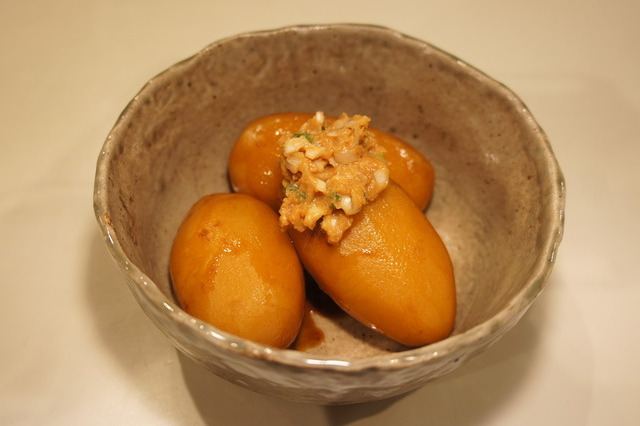
Jisukeimononegimiso 治助芋のネギ味噌
| Prefecture | Tokyo (東京都) |
|---|---|
| Region | Kanto |
| Japanese name | 治助芋のネギ味噌(じすけいものねぎみそ) |
| Reading | Jisukeimononegimiso |
| Home area | Invert Tama Area |
| Main ingredients | It's called "sustenance potato." |
History and Origins
A soup potato is a dish that has been steamed and served with onions. The trio is grown around the area of the Habu Habu, in the south of the Habu prefecture. Since the sub-soil area was not suitable for rice farming, in times of food shortages, there were also the custom of boiling indentation and fabrics when guests came, as well as using them as side vegetables. It's a season when you're sick and sick and you're very sick, and you're characteristic of skin and white meat, and it's late July, late in the year of the Baron. Tastes are rich, sticky, and hard to boil, so not only do you eat onion juice and curry, but they are eaten extensively in stew and curry materials. The contrast between the tight, sticky food and the onions with the lemon juices is great. It's one of the things loved by the innocents of the Hashita.
When It Is Eaten
Although the main diet comes after the harvest season in July, the sumo potato is kept long enough to keep with the bell. It is eaten by families year after year.
How It Is Eaten
I've passed the fire with a peeled, steamed, boiled, and baked coo soup, and I'll add some onion to my meal. Also, in the past, using winter's cold weather, wet potatoes were frozen out overnight, dry, ground to make "sumbs" and ate with a bite of the pepper and the wheat.
Recipe — Serves 1
Ingredients
- a few 治助芋 (小さめのもの)
- 2 tbsp soy sauce
- 2 tbsp sake
- 2 tbsp mirin
- 1 tbsp sugar
- miso, to taste
- long green onion, to taste
Method
- A relief potato keeps a good wash every skin.
- Add a rehydration potato to the pot and add sugar, wine and soy sauce to the pot, which is covered with a heavy fire.
- I'll cut the flavor, and I'll have a long-sleem.
Dish data: Ministry of Agriculture, Forestry and Fisheries (MAFF), “Uchi no Kyodo Ryori” (Our Regional Cuisines) database, used under the Public Data License (PDL1.0); translated and adapted from the Japanese original.