Anagozushi 穴子寿司
| Prefecture | Tokyo (東京都) |
|---|---|
| Region | Kanto |
| Japanese name | 穴子寿司(あなごずし) |
| Reading | Anagozushi |
| Home area | Tokyo Bay |
| Main ingredients | It's a lot of fun. |
History and Origins
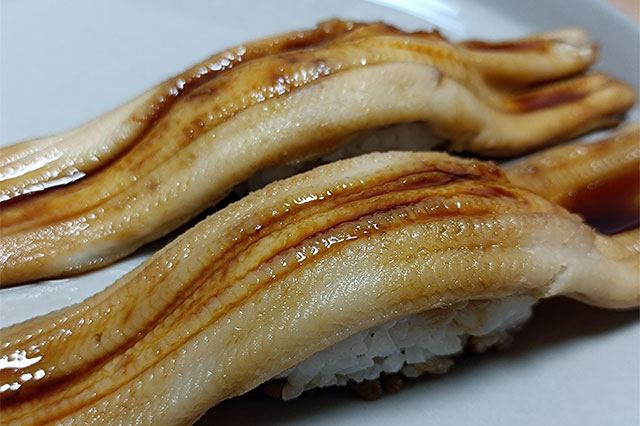
Sperms are boiled on the chows and spread over the subject and painted with a boiled bowl called a tadpole. The Edo Bay was an ideal environment for good fish growing because of the rich water flowing from rivers. It was especially a fish that couldn't be missed as a fixed subject in a Edo brush. It's so vivid that you're told, "I know how to cook a delicious dish." And the series of work that took away the palm features, which were so carefully boiled, and made up even more of them was really a skill that only a sawmaker could perform. Now, Tokyo bays are limited and fewer fish are available, but among them are the palms that have been washed and the country's highest quality. The shape is similar to the cradle, but the appearance of one's body is unique and yet it is full of elegant designs.
When It Is Eaten
Although July has been eaten as the season of August, now, because of improved communications technology, it has been possible to transport them from all parts of the country, and they are eaten annually.
How It Is Eaten
I use salt and hot water to remove the entire surface of the skin and prevent the odor from producing. I'll boil it with wine, sugar and soy sauce, and then cut it into size. I boil my head and bones and take off the stem, add flavor to the sauce, and then boil them and make them into honey. I'm going to make it by holding a chalice, putting on a palm, and painting it.
Recipe — Serves 2
Ingredients
- 1 焼き穴子
- 1 tbsp sake
- 4 shiso leaves
- 250 g cooked rice (あたたかいもの)
- 1.25 ml yamanaka
- Mix: 2.5 ml sugar
- Mix: a pinch salt
- Mix: 15 ml vinegar
Method
- I'll pretend to drink on the bronco, wrap it lightly, and heat it for about a minute at 600W microwaves.
- I'll cut the leaves into pieces.
- I'll add all of them in bowls and so on.
- Add rice and leaves and citrus absces and mix them well.
- And then we're going to wrap it up, then we're going to put the roaster on top, then we're going to wrap it tight with four on it. I'll still have a few minutes to form.
- I'm going to cut it into two centimeters wide, and I'm going to pick it up when I'm on a plate. It's done with a piece of rice.
Dish data: Ministry of Agriculture, Forestry and Fisheries (MAFF), “Uchi no Kyodo Ryori” (Our Regional Cuisines) database, used under the Public Data License (PDL1.0); translated and adapted from the Japanese original.