34 23 いもようかん
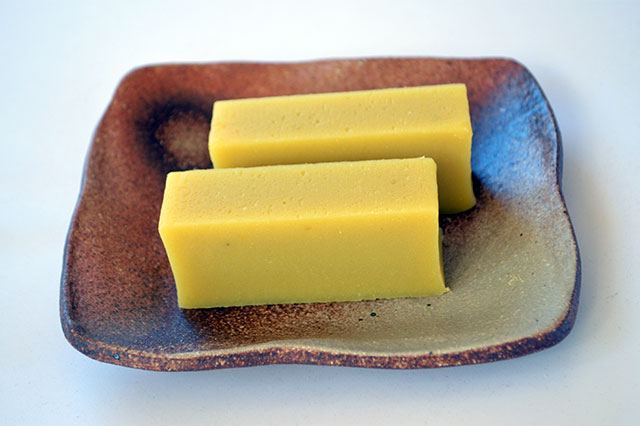
| Prefecture | Tokyo (東京都) |
|---|---|
| Region | Kanto |
| Japanese name | いもようかん |
| Home area | East |
| Main ingredients | And a snack. |
History and Origins
The "silence" was used to steam and fertilize the ends of the staples. During the Meiji era, the Japanese candy that the potato-poters and the sweetsman in the Hawa are making together. In those days, carving was expensive, and the common people had few opportunities to speak. The potato shop and the candy shop are told to have developed a series of trial and error attempts, such as cooking and mixing from research, which can be used to digest the ingredients of the nearest food. The introduction of a box that could be obtained cheaper than a dresser was welcomed as a close welcome for the innocent.
When It Is Eaten
If you have some key ingredients, you can make them for the year and eat them as snacks. Even if you buy Japanese sweets, you can buy them, but one of the sweets that you can easily make at home.
How It Is Eaten
We heat and soften the leather and peel the tassels, and we do well in the heat until there is no larger mass, and add sugar and paste them into paste. If you cut off the area near the rough spot, it's easy to hide behind it.
Recipe — Serves 4
Ingredients
- 250 g sweet potato
- 60 g sugar
- 2 g [ Picture on page 17]
- 120 ml water
Method
- The tadpole peels the skin and cuts it into a ring of about two centimeters thick and then drains it out.
- With a lot of water (a lot of water) we will boil the snack until it's soft. I'll put it up in the air while it's hot.
- Put the powdery weather and water in the pan and then we'll boil well and add sugar. If the particles remain, they won't become solid enough to melt.
- Add 2 to the top, mix well, put it in a container, cool it down, cut it into size that you can easily eat.
More About 34 23
The potato is a shaped Japanese candy that is made of sweet potatoes as a staple.
There are many things that are different from normal sheep, such as how to make them and how to make them, and how to use them.
Processing
It's a common method of boiling sweet potatoes and mixing sugar while they're hot, pressing them down to form and cooling them.
Instead of steaming sweet potatoes, they may add a little salt or cold weather besides sugar.
And I'm going to talk a little bit about how short it is.
The time limit for sheep is much shorter than the time set. Whereas the sheep will last more than a month, the goat's consumption is only two to three days. It is said that when the sugar level exceeds 50 percent, the bacteria are deprived of their water content and can hardly multiply, and that when they reach 60 percent to 65 percent, the fungus will die. The sugar level of the sheep is 62 degrees to meet the conditions that kill the fungus, but the reason is that the goat's sugar content is about 21 percent and cannot meet the conditions that allow it to kill the fungus. Even if a little bean sheep does not meet sugar requirements, it doesn't take long to use.
History
The sweets that were prepared from the time of Edo were unsuspected. There was no definite name, and he took the name of the cabin that sold it, and he was called "The Taro sweets" along with other sweets. And the book "Supreme" (1316) had the recipe for "The Lamb" in it. It's made from sugar honey.
It was not until I was healed that I used the art of Japanese sweets, such as backstabbing, to form the present smooth - looking goat. It was also the idea of an potato guy's "I'm going to live for something because I'm too tired to throw away the unsold potato." After that, he learned how to make Japanese sweets under Shinichi's command, and he made "Oji" from the bridge city, where he came from. At the same time, Sadakichi and his family moved to the city of Hakichi.
Today, sheep are abroad, and it is also known as a masterpiece of the potato plant of Saitama Prefecture.
Other
It's also used for fishing bait that likes potatoes. A product made from a bait distribution can be obtained at a fishing store. Moreover, this bait is not suitable for human consumption because it contains such things as lye and so forth.
Text adapted and translated from the Japanese Wikipedia article 芋羊羹 by its contributors, licensed CC BY-SA 4.0.
Dish data: Ministry of Agriculture, Forestry and Fisheries (MAFF), “Uchi no Kyodo Ryori” (Our Regional Cuisines) database, used under the Public Data License (PDL1.0); translated and adapted from the Japanese original.