Kinpira きんぴら
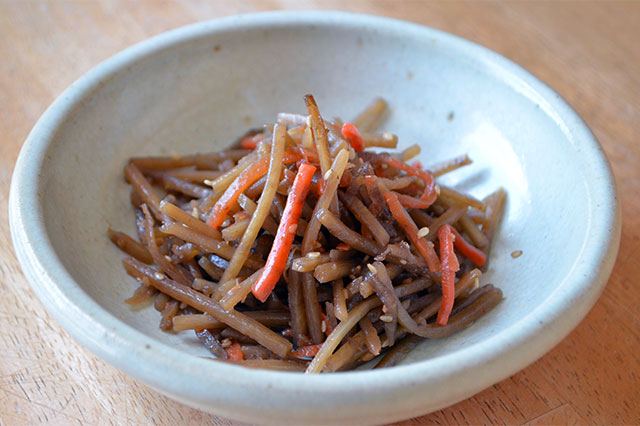
| Prefecture | Tokyo (東京都) |
|---|---|
| Region | Kanto |
| Japanese name | きんぴら |
| Home area | All over |
| Main ingredients | I'm going to have a hot potato. |
History and Origins
It is said that the name "Schinji" is derived from "Sakada Fukuoka" - the title of the Edo style and of the setting of the son of Kotataro, famous for his Kantaro. It's said that the strong texture of the seagulls, the flavour of the pepper, and the pliableness of the pepper peppers can be compared to the strength and courage of the Kota ichiichi. Also, a traditional vegetable similar to Japanese vegetables, such as cayennes, and kanjis, is one of the old EdoXXXX14X and so on. In particular, the waterfalls named after the local village of Waterloo, in the area where they grew up, have an old history. It's said that the soldiers gathered in a shift from work grew seeds from their own lands, modified them, and fixed them as Edo vegetables. More than 90 percent of the rice grown in the country is a species that inherits the blood of a modified waterfall.
When It Is Eaten
In the latter part of Edo, it was often eaten as a local rice plant. Although it is often present at the everyday table now, it is a recipe that can be prepared by boiling oil and seasoning it with a stronger flavor, and is one of the most popular dishes in cooking, celebration, and mourning.
How It Is Eaten
We can use oil to boil the chopped, or chopped, rice, and taste the flavor with such flavors as sugar and soy sauce, and add pepper and make the pepper taste. Since the skin of the seams has flavor, it would be better to wash it so that it is steamed. It was a period when "The Ponzi scheme" began and "The Pon" continued until the latter part of Japan. When hand-made rice plants were sold in supermarkets and cooked books, they also became soy sauced with lencons and other toothy root vegetables that they were also called tins.
Recipe — Serves 2
Ingredients
- 5cm、) 70 g burdock root
- 5cm) 30 g carrot
- 1/2 red chili pepper (種を出す)
- Mix: 50 ml water
- Mix: 1 tsp 1/2 soy sauce
- Mix: 2 tsp sugar
- Mix: 1 tsp sake
- 1 tbsp sesame oil
- as needed toasted sesame seeds
Method
- Put the oil and red pepper in the pot and put it in a strong fire and cook the eggs. Add carrots and cook more.
- Add a mixture of citrus absces and boil them to a boil. When the juices are almost gone, we can turn off the fire and start a little taste.
- I'll place it on a bowl and wrap it over a white roast bowl.
More About Kinpira
Kinpira (金平) is a Japanese side dish, usually made of root vegetables that have been sautéed and simmered. The most common variety is kinpira gobō, or braised burdock root. Other vegetables used include carrots, lotus root; skins of squash such as kabocha, mushrooms, broccoli, or wild itadori (Japanese knotweed) stems; and seaweeds such as arame and hijiki. Foods such as tofu, capsicums, wheat gluten (namafu), chicken thigh, pork, and beef may be added.
The simmering sauce is made up of soy sauce, mirin, sugar, and chili peppers.
Name
Kinpira is named after the son of Kintarō, a Japanese folk hero.
Text adapted from the English Wikipedia article Kinpira by its contributors, licensed CC BY-SA 4.0.
Dish data: Ministry of Agriculture, Forestry and Fisheries (MAFF), “Uchi no Kyodo Ryori” (Our Regional Cuisines) database, used under the Public Data License (PDL1.0); translated and adapted from the Japanese original.