Kinka Mochi きんかもち
| Prefecture | Aomori (青森県) |
|---|---|
| Region | Tohoku |
| Japanese name | きんかもち |
| Home area | Southern |
| Main ingredients | So let's say that we have two choices. |
History and Origins
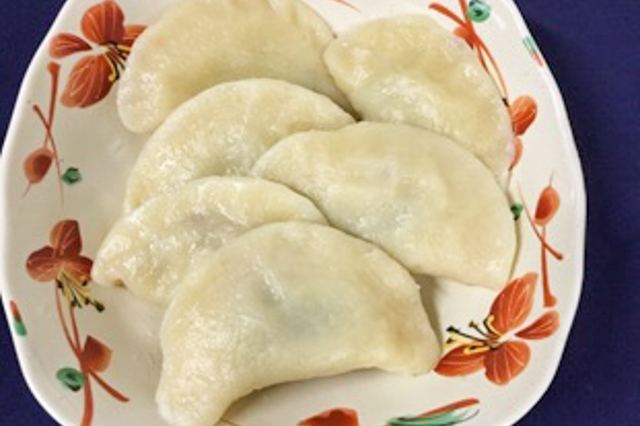
In the southern part of the country, where the cold climate of rice is plagued by the ancient past, there has been a development of a multi-creative culture of wheat, lentils, lentils, and so forth. Black sugar and garlic, with a taste-in-the-mix skin wrapped in flour and boiled in semimonthly form, is a typical native dish of the different types that were born in such an environment. The fact that black sugar was so expensive and luxury tells us that it was named "golden goldfish." It was built in each home for over a hundred years, and then put in a plate for a Buddhist dinner, and then served as an age for a farm god. Its resemblance to the semimarital form of a farmer's farm is similar to that of a grain reserve bag, "Absolute" and "Absolute" and so forth.
When It Is Eaten
It's essential for a bonsai or a gift for a senior. Although we were also known for our farm work, we can think of it primarily as a special day's meal by using expensive black sugar and a very difficult spot to peel. In the past, the taste of kamikaze was passed on from grandmother to mother and daughter, but now there are fewer families to be made by hand.
How It Is Eaten
Since it's so hot in there that it's so hot, it's the first time you eat it you need to be careful. It's a regular landscape where children put their hands and clothes in a thick black bowl. I'm sick of having to eat the sweetly finished pepper with the flavor and the taste of the gums and the taste of black sugar moss.
Recipe
Ingredients
- Dough: 300 g wheat flour
- Dough: 1/3 tsp salt
- Dough: 400 ml boiling water
- Bean paste: 50 g() walnuts
- Bean paste: 17 g miso (自家製)
- Bean paste: 100 g brown sugar
Method
- Put the salt in the flour and put it in the pan.
- Put boiling water in the bowl and stick it until it becomes ear to ear.
- The fabric is divided into about 90 grams.
- The dough is wrapped in flour, then the middle is rolled, then the taste is painted thinly, and then a teaspoon of black sugar is poured in each teaspoon and wrapped in it. If you wrap it up, it'll be half-mooned.
- Put it in hot water and boil it. After three minutes of floating, take it out of the water, put it in the water, and wash it lightly. (Singing in water will make the fabric moist.)
Dish data: Ministry of Agriculture, Forestry and Fisheries (MAFF), “Uchi no Kyodo Ryori” (Our Regional Cuisines) database, used under the Public Data License (PDL1.0); translated and adapted from the Japanese original.