Home / Fukushima / Uchimametokirikonbunonimono
Uchimametokirikonbunonimono 打ち豆と切り昆布の煮物
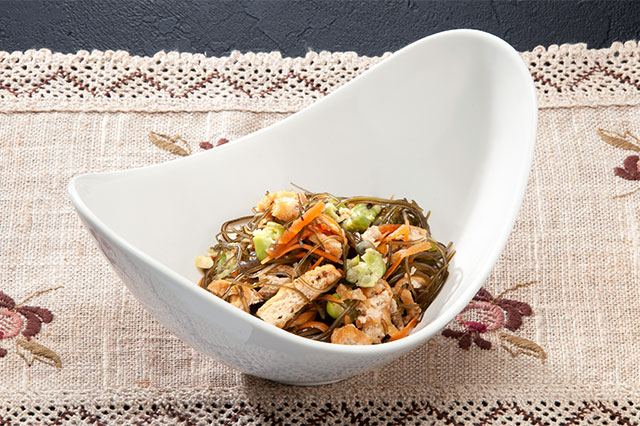
| Prefecture | Fukushima (福島県) |
|---|---|
| Region | Tohoku |
| Japanese name | 打ち豆と切り昆布の煮物(うちまめときりこんぶのにもの) |
| Reading | Uchimametokirikonbunonimono |
| Home area | Iseshima City. |
| Main ingredients | I'm going to have to do something about it. |
History and Origins
The "Singing Bean and Snack" is a local dish made of long-term storage materials, such as slat. It's hard to harvest fresh vegetables in the winter of Fukushima. Therefore, we sometimes use cold and dry climate to make food that lasts longer, such as dried vegetables. For example, the beans are those that crushed the blue beans and dried them. They were often eaten as a source of their precious winter protein. Also, cut cloth is finely cut cloth that can be preserved long and this is a food that has a rich mineral content. The soups from the beans and cucumbers that combine these are rooted in a dish that can't be eaten tasty in winter.
When It Is Eaten
In the past, there were bowls, law enforcement, weddings and other things that were behaved in our affairs. In recent years, we have become acquainted with the common bowl of rice on the table.
How It Is Eaten
Put tools such as radish, oil, carrots, lentils, lentils, and so on, and then add water and boil. With sugar, soy sauce, taste it, and boil until the juice is gone. It's the trick to cook it with vegetable oil from Isezu and finish it with a high smell.
Recipe — Serves 4
Ingredients
- 1/2 cups crushed soybeans
- 1 heads(30–50 g) kelp (konbu)
- 1/2 carrot
- 2 aburaage (fried tofu pouch)
- 1/4 konnyaku
- 2 tbsp oil
- 2 tbsp sugar
- 1–2 tbsp sake
- 3 tbsp soy sauce
Method
- The cutcloth is soaked in water and returned and cut into the right size.
- The carrots are cut into a round three-inch length. We cut the oil in half. Then we cut it into rough ones. Cut it about the size of a carrots. I'll wash the beans quickly.
- Oiling the pan, adding all the ingredients, boiling the water, boiling it, boiling it, and boiling it until it's dry.
- We'll dip the dried beans we make for turpentine in water for five minutes, we'll drain them, we'll spread them out in dry towels or newspapers and leave them there overnight. The next day I'll crush each grain with a fine hammer. It's used for soups, soups, soups, citrus, sweets, stews and vinegar.
Dish data: Ministry of Agriculture, Forestry and Fisheries (MAFF), “Uchi no Kyodo Ryori” (Our Regional Cuisines) database, used under the Public Data License (PDL1.0); translated and adapted from the Japanese original.