44 15 おみいさん
| Prefecture | Tokushima (徳島県) |
|---|---|
| Region | Shikoku |
| Japanese name | おみいさん |
| Home area | All within the province. |
| Main ingredients | It's a big one. It's a big one. |
History and Origins
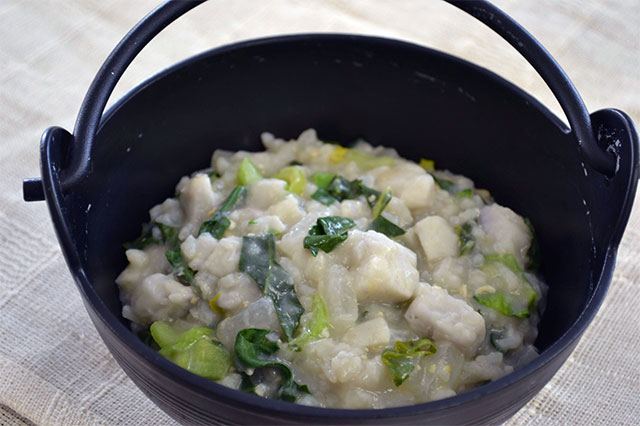
"Mama" refers to the dished-up dish. Since I used to call my mumi "sama," I've been told that I've chosen to wear a respectful word for "sama" as a name. In Tokushima, where rice was difficult to grow, it was common for rice to increase its quantity by adding various foods to eat, besides the fact that it was a stapler food. Your mother also seemed to have been liked as a good meal, adding plenty of radishes and rye. The recipes were not very specific except for the flavoring and the use of the kimono, and the food used was made with nilas, beans, tofu, and so on, and so on. It's rich in vegetables, nutritious, and financially sweet, simple and friendly local food.
When It Is Eaten
In times when rice was precious, it was often used by the master for the waste of poor-made small rice and other things that couldn't be shipped. It's said that they were known as everyday food, made to eat without leaving any food left. In addition to being often eaten as a home dish that warms up during wintertime, it is also reported as a refreshing dish that the family can make when their health, such as illness, is in poor health.
How It Is Eaten
I cut the leaves of the roots finely and boiled them out, but I can boil them with rice washed in the soup. When it is boiling, it will be light fire, and it will be spread over the whole pot with a small lump of the skin. In half an hour, the stomach will melt nicely, and the rice will be softer, so if you stir it, it will be finished. They say it's the trick to leave the past alone, because if you mix the paste, it burns.
Recipe — Serves 4
Ingredients
- 100 g rice
- 15 g) 4 cups dashi stock
- 250 g(5) taro
- 200 g daikon radish
- 1/2 bunches daikon leaves
- 40 g miso
Method
- The citrus soup is cooked in a bag, and the rice is soaked in water five or five hours before cooking.
- Rice is washed and served to the monkeys 30 minutes before cooking, and it is cut off.
- The lily potato washs it, dumps the soil, and cuts the skin into a thickly cut pumice wood. In the case of the weather, we will heat it for six minutes with the skin, peel it, and cut it into a pap.
- The leaves are washed and cut into 1 cm and the main ones are cut short.
- It's made into a pot, and it's boiled, and it's boiled, and it's cooked.
- When it boils, light it up and place it in a heap. In about half an hour, if your rice melts and the rice becomes soft, put in the root leaves, boil a little, stir a little, and boil a little.
Dish data: Ministry of Agriculture, Forestry and Fisheries (MAFF), “Uchi no Kyodo Ryori” (Our Regional Cuisines) database, used under the Public Data License (PDL1.0); translated and adapted from the Japanese original.