Chagome 茶ごめ
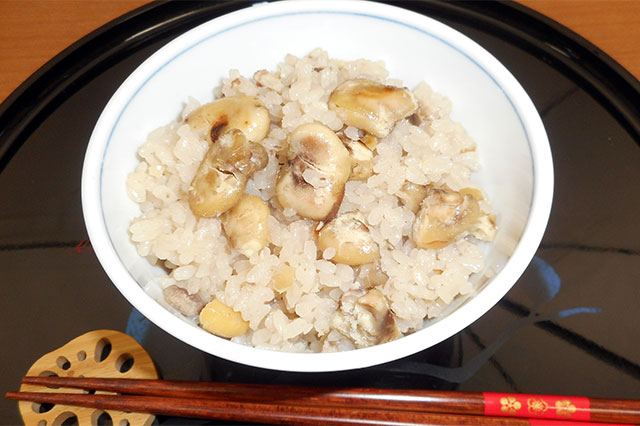
| Prefecture | Tokushima (徳島県) |
|---|---|
| Region | Shikoku |
| Japanese name | 茶ごめ(ちゃごめ) |
| Reading | Chagome |
| Home area | All within the province. |
| Main ingredients | There's beans, rice. |
History and Origins
"Cooks of tea" is a sweet, beany meal. To cook rice with roasted mustard and sugar, the rice will all be cooked on brown rice. In the past, the people of the house were known as food for the people of the house, but then it spread as a dish made by farmers to consume the old beans during the harvest. It's also added to the diet with a mixture of garlic and plums and tea.
When It Is Eaten
It is said that tea is usually eaten between farming times, and the sweet taste of sugar also served a tired body in farming. There are also customs in some areas that offer them as New Year's food for the New Year's or that offer them on the Buddhist altar during legal affairs.
How It Is Eaten
The mustard beans are first cooked in a weak fire, then put them in water for half an hour, then boil them, add rice and sugar and broth, and boil them. It's the point when you roast the raw beans to make them light and hot until they turn brown. It takes time to prepare the beans, but the procedure is easy and friendly.
Recipe — Serves 4
Ingredients
- 300 g(2 × 180 ml) rice
- 80 g broad beans (乾燥)
- 460㎖ そら豆ゆで汁
- a pinch salt
- 40 g kizarah (sugar)
Method
- I'll give the rice to the laundromat to cut the water.
- (Strip beans are soy) or a heavy - handed fried pan to make brown brown, and a lot of hot water for 30 minutes and a lot of boiling water for too long, so it's easy to break the skin, and it's easy to tear.) When it's cold, I'll take out the juice and put on the sauce.
- Put one rice in the rice cooker and add a quantity of watery beans.
- Add a mixture of salt and mix it up with two mustard beans and cook it.
- When you cook it, it will be mixed and poured to prevent the beans from breaking down.
Dish data: Ministry of Agriculture, Forestry and Fisheries (MAFF), “Uchi no Kyodo Ryori” (Our Regional Cuisines) database, used under the Public Data License (PDL1.0); translated and adapted from the Japanese original.