Fuukashi ふうかし
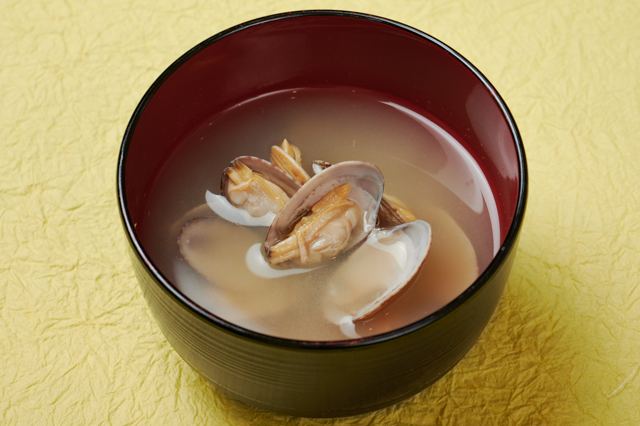
| Prefecture | Chiba (千葉県) |
|---|---|
| Region | Kanto |
| Japanese name | ふうかし |
| Home area | It's a Tsu City in the Bay Area. |
| Main ingredients | Rally |
History and Origins
The "snake" with the stick is a local dish from Tsu City to the Bay Area for the bridge city. In the days of Edo, the bridge city flourished as a busy residential town, and agriculture and fishing were also very successful. The fresh fish caught in the bridgeura were so devoted to the General's house. Especially those that have a large, large, and taste great. Since there was no refrigerated facilities, fishermen had to resuscitate the logs before they could transport them. In addition to a small amount of steam at that time, the taste of the pepper was expensive and precious, and what was eaten as a tasty dish by fishermen is said to be the beginning of the "shy." "Cympto" is the taste that was born because it is where fish and fish are abundant. After entering Shinichi, the drawers can't be picked slowly. (Laughter)
When It Is Eaten
The time when the rice is harvested, the spring of February and April and the fall of September and October.
How It Is Eaten
I put the dusted chains in the gravy soup and boil them. When the mouth of the apple comes out of the pot and the juice comes out of the pot, make a little bit of the sauce. I put the soup in the bowl and I will serve it with the soup of the soup.
Recipe — Serves 10
Ingredients
- 1 L rally (からつき)
- 150 g miso
- 1.8 L water
- a pinch salt
Method
- We put enough water into the pot with the sand.
- When it's boiling, add a taster and taste it thinly.
- When it is boiling, we will stop the fire.
- The rope is the most important thing to sand. Five cups of water contains two tablespoons of salt, which I put in a chain and sand them overnight. It's not hot when it's cold (before spring) If it's too cold.
More About Fuukashi
Yuka is Chiba Prefecture native food. It's a soup from the Asari.
It's eaten in the Coast of Tokyo from Tsu City to Bridge City.
Today's bridge city thrived as a residential town during the Edo, and agriculture and fishing industry flourished. The fish caught in the bridgeura may be donated to the generals of Edo, and especially the aurari were abundant, large, and delicious. When there was no refrigerated technology, the aurari that was harvested were transported after it was steamed. In the soup at that time, it would be the start of the process of adding a small amount of what was expensive at the time, and what was eaten as a tasty dish by fishermen.
At the Shogi Yoichi, Japan, elementary school, they have a school program that feeds on the tide hunts and cooks.
Text adapted and translated from the Japanese Wikipedia article ふうかし by its contributors, licensed CC BY-SA 4.0.
Dish data: Ministry of Agriculture, Forestry and Fisheries (MAFF), “Uchi no Kyodo Ryori” (Our Regional Cuisines) database, used under the Public Data License (PDL1.0); translated and adapted from the Japanese original.