Suttatejiru すったて汁
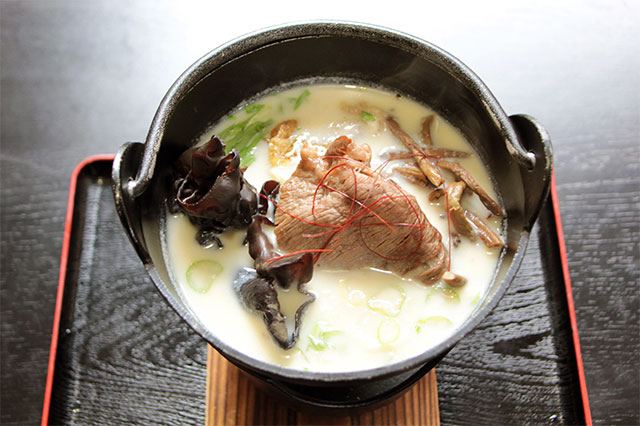
| Prefecture | Gifu (岐阜県) |
|---|---|
| Region | Chubu |
| Japanese name | すったて汁(すったてじる) |
| Reading | Suttatejiru |
| Home area | Shiragawa |
| Main ingredients | Soy sauce, soy sauce, soy sauce. |
History and Origins
The "Sweet" is a local dish, known for its use in Hale, such as a soup with a bowl of peas and stone, add some of the "silver" and other citrus, which are made with a mixture of citrus and citrus oil, and a celebration of the world's heritage, which is famous for its conifiers, and a thank you. It's called "Sweet" because it's called "Sweet" or because it's also very similar to other things. When food storage and distribution were not as convenient as it is now, deep in the mountains in Shiragawa village, the bean that can grow and harvest so much was grown as a valuable protein source. It is said that the bean was used to make taste buds and tofu and that during the process of making tofu, "seat" was born. Summers get worse soon, so they are often eaten from fall to winter and beyond spring.
When It Is Eaten
From late fall to spring, in the snowy Shiragawa village, they have been eaten during district meetings and benefits classes. The reward is the death of the founder of the Buddha.
How It Is Eaten
I'll boil the beans I've soaked in water all night and I'll boil them to the point where I'll have a little taste. Cooked beans are ground in bowls, mixers, and so forth, and then put them into a pot, season them with soy sauce, and complete through the fire until they are ready to boil. Tastes can be used in addition to sesame oil. In recent years, a steamed "sew pot" has been developed and is popular.
Recipe — Serves 4
Ingredients
- 20 g soybeans
- 5 g light soy sauce
- water, to taste
Method
- Soybeans are washed and soaked overnight in water enough to make a bean.
- I'll boil the beans I've soaked in. I'm going to stop the fire just because I feel like it's a bit of a problem.
- I'll ground it down until it's smooth in a blender.
- It's going to go to the pot, taste it with soy sauce, and it's going to boil down.
More About Suttatejiru
It's a traditional dish from Shiragawa, Shizura University, Gifu Prefecture. It's a soup made with a bowl of lentils, stone mills, and so on and so forth. It's called gravy, and it looks like abrasive, so it's also called gravy.
In Shiragawa village, we are known for the dishes of Hare's day, such as celebration and reward classes.
In Shiragawa village, beans were grown well and were considered a valuable source of protein. Soybeans are a raw ingredient for taste and tofu, but during making tofu, it is said that "sew" was born. Summers are easily damaged, so they are often eaten from fall to winter and early spring.
It's also characteristic of the fact that materials are not used at all, and the flavor of the spice is also limited to peppers, such as walsabes, diurex, and so on.
In recent years, the cooking pot has been developed and is popular with citrus cows, native jellyfish and vegetables added to the citrus.
Text adapted and translated from the Japanese Wikipedia article すったて汁 by its contributors, licensed CC BY-SA 4.0.
Dish data: Ministry of Agriculture, Forestry and Fisheries (MAFF), “Uchi no Kyodo Ryori” (Our Regional Cuisines) database, used under the Public Data License (PDL1.0); translated and adapted from the Japanese original.