Home / Chiba / Iwashinodangojiru
Iwashinodangojiru いわしのだんご汁
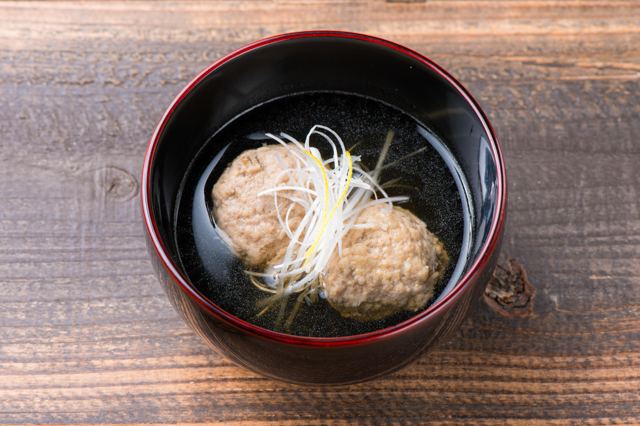
| Prefecture | Chiba (千葉県) |
|---|---|
| Region | Kanto |
| Japanese name | いわしのだんご汁(いわしのだんごじる) |
| Reading | Iwashinodangojiru |
| Home area | North, 90 percent |
| Main ingredients | I'm going to show you some of the things that I've been doing. |
History and Origins
The Kyushu region is a treasure chest of sea and villages, and is a particularly old - known fishing resort. The eagle, which represents the region's nine - mile - long area, has a good catch since the time of Edo and can be likened to "Sea of the Sea." There is a wide variety of dishes that are rich in the flavor and nutrients of the common fish at the tables of the Kyushu region. Of these, the iridium, which comes from around November and March, is really a regular dish. At the "The Great Fishing of the beach" held in March of the year, such products as the iridescent sea eagle, the sea eagle, and the sea eagle are sold. And besides having an eagle's bowl classroom held by local residents, you can taste a lot of the food that has been used by the eagles, such as those of the swifts that are flying on the spot.
When It Is Eaten
The "gray-gray" can be eaten through the year, but the many ingredients, such as the oyster's peel, tastey sauce, and so on, warm up the body, so it is often eaten in cold winters. The winter of November and March is often made by using a black eagle in the early winter.
How It Is Eaten
Larger carrots will be cut into slices, and lily potatoes will be cut to size easily eaten. I'll beat the three-legged eagle into a bowl and put it in a bowl. The long ground eggs and taste buds are added to the bowl and mixed. Put water in the pan, add radish, carrots and burn it. When it's boiling, add a resame potato. Two spoonfuls of lye will form a coral, drop it in a pot, and boil it. Add the soy sauce and taste it, then finally scatter the long bow and stop the fire.
Recipe — Serves 4
Ingredients
- 100 g sardine
- 100 g daikon radish
- 50 g carrot
- 100 g taro
- 1/2 long green onion
- 4 cups water
- 醤油 少量
- Mix: 1/2 tbsp nagaimo yam (grated (daikon etc.))
- Mix: 2 tbsp egg
- Mix: 30 g miso
Method
- Ota-sama, carrots are cut out.
- I'll cut it to the size that I can eat.
- I'll beat and put the cast eagle in a stall and put it in a bowl. Add ingredient A and mix.
- Put water in the pan, 1 on the fire, and boil it up, add 2.
- Three of them are cooked with two spoons. Drop them and boil them.
- Add a lot of soy sauce and taste it, scatter long bows and stop the fire.
More About Iwashinodangojiru
I'm also called Yaki-yaki.
I've been a great fisher since the time of Edo. I'm a typical fish that is referred to as "Food of the Sea." The eagle was very high in fishing, while the corruption was fast, and it used to slice it, heat it up, and dry it. It is believed that one of the foods that was born was designed so that it could be stored for a little longer in the absence of refrigerators.
There are many different dishes in this area, but it is a standard dish often made from the black eagle, which comes in the late November and March of the year.
It's a dish eaten all year round, but the warm utensils in your soup warm up, so you can often eat it in winter.
Example of how to make
I use a slat, and I mix it with a cast-off longimo, melted eggs, and taste buds. I cook water in the pot, dicons, carrots, and sweet potatoes. A boiled eagle is made of spoons, shaped like a coral, dropped in a pot, and boiled. Add soy sauce and taste it, and then, finally, scatter the long onions.
I don't add any other ingredients but onions, and sometimes I make them tastey.
Text adapted and translated from the Japanese Wikipedia article いわしのだんご汁 by its contributors, licensed CC BY-SA 4.0.
Dish data: Ministry of Agriculture, Forestry and Fisheries (MAFF), “Uchi no Kyodo Ryori” (Our Regional Cuisines) database, used under the Public Data License (PDL1.0); translated and adapted from the Japanese original.